Virtual Landscapes
Machinima and Ingame Photography- the use of real-time three-dimensional graphics rendering engines to generate computer animation or photographs.

In-game intervention and performance- Using a game in a non player manner to intervene or comment on issues outside of the games intention

Site-specific installations- Creating artful installations inside of virtual spaces
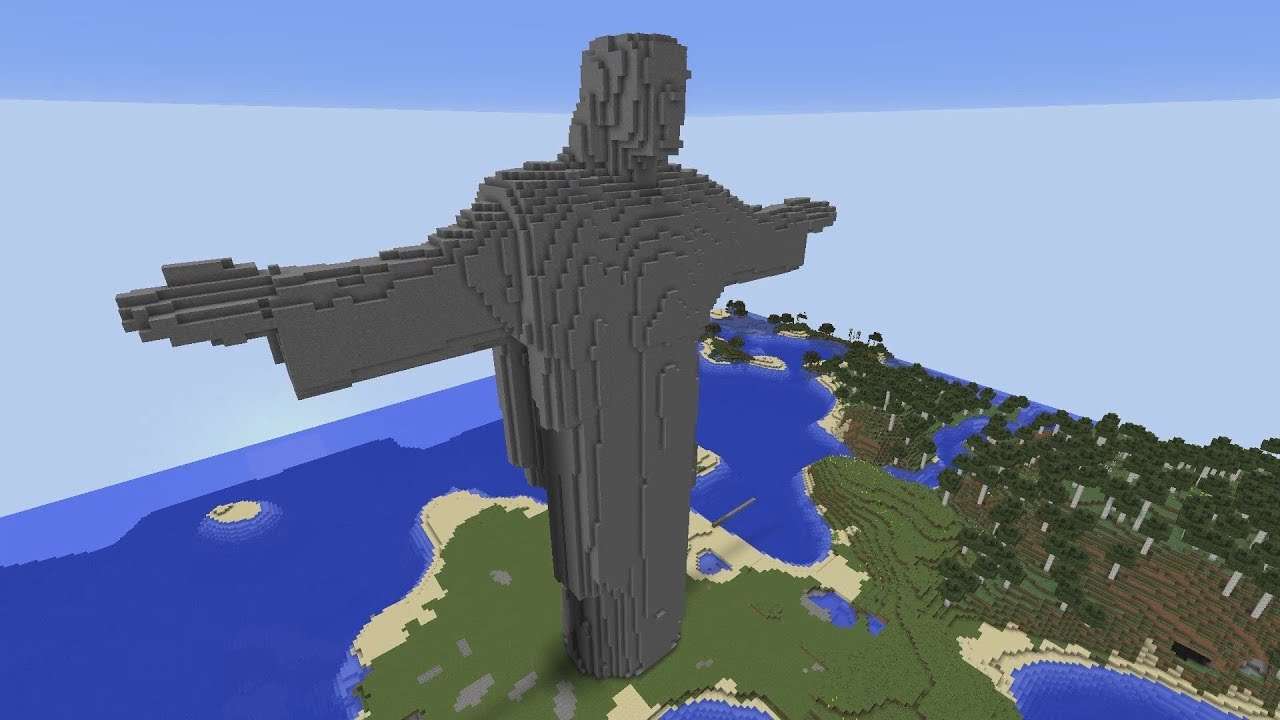
Generative art mods- Manipulating or modifying the code/functionality of a game for artistic means.
Empire (1964) by Andy Warhol
When projected according to Warhol’s specifications, it consists of eight hours and five minutes of slow motion footage of an unchanging view of the Empire State Building. The film does not have conventional narrative or characters, and largely reduces the experience of cinema to the passing of time.
Empire (2012) Phil Solomon
A virtual remake of Warhol’s film shot “on location” in a Grand Theft Auto mod. So despite its façade, this is not New York, nor the Empire State, but actually Rotterdam Tower, a fixture of the Liberty City borough of Algonquin. Director Phil Solomon describes his video as a study on “the material fragility of film,” and his digital facsimile of Warhol’s project – which exposed 656 feet of celluloid that the crew couldn’t even afford to print – speaks directly to the socio-economic and technological shifts that are being exploited by a new generation of artists.

“I hijacked a ‘copter, leaped onto the rooftop of an adjacent building, spawned a scooter out of thin air and then gingerly drove it down to the very edge of the precipice in order to approximate the view from July 25-26, 1964.”
Red Dead Redemption Short Film by John Hillcoat
“The director of The Road and The Proposition, John Hillcoat, brings you an entirely digital Western short film. It uses Rockstar’s rich open world in Red Dead Redemption to tell the story of John Marston’s struggle in the new American Frontier.”
Frank Capa 1913-1954
Capa’s iconic D-Day photographs were damaged in a dark room catastrophe, which gave them an unintentional blur effect. Serendipitously, this accident gave the shots an added eeriness, and as a result, they’re now regarded as some of the most iconic photographs of all time.
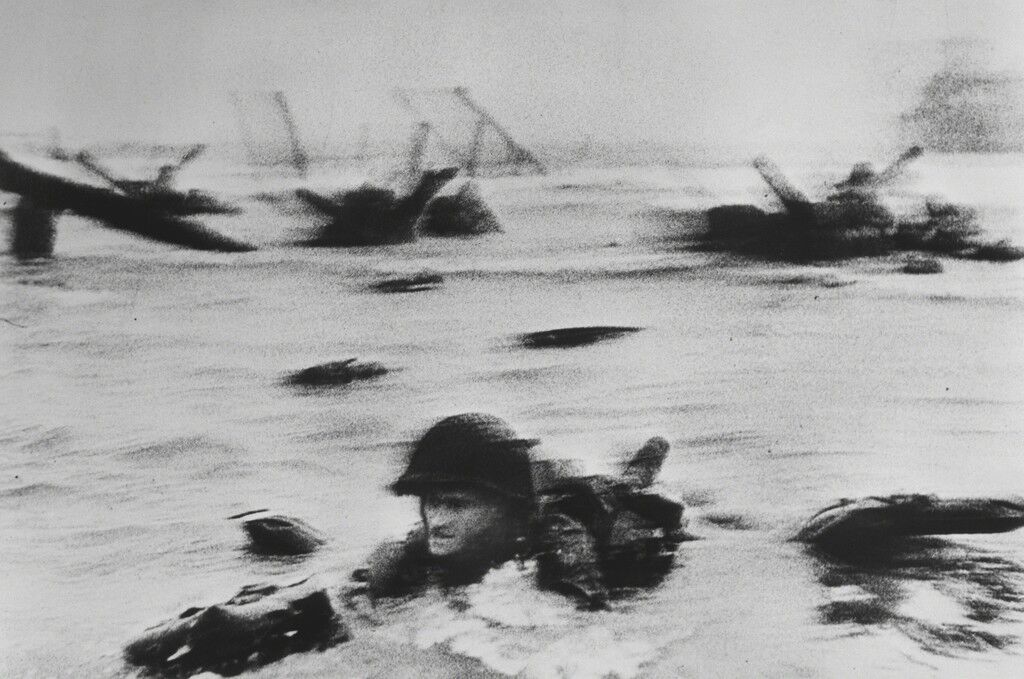
Kent Sheely
Sheely’s series of in-game still shots, called DoD (taken from the game Day of Defeat)


Ansel Adams 1902-1984
Ansel Easton Adams was an American landscape photographer and environmentalist known for his black-and-white images of the American West. He helped found Group f/64, an association of photographers advocating “pure” photography which favored sharp focus and the use of the full tonal range of a photograph


Justin Berry
Because he typically works in games from the early 2000s that often don’t have in-game camera options, Berry takes hundreds of screenshots of the same image and stitches them together. This gives a richness to the image that is best experienced in galleries and museums. The high resolution acquired in his post-production work makes for landscape images that are nearly indistinguishable from real-world photography.


San Andreas Streaming Deer Cam by Brent Watanabe
Modification of GTA V that creates and follows a deer wandering through the fictional state of San Andreas. The deer character is autonomous and will wander and respond to it’s surroundings, interacting with the existing GTA V artificial intelligence.
http://sanandreasanimalcams.com/


GTA Image Averages by me!


One way to make image averages
The Council on Gender Sensitivity and Behavioral Awareness in World of Warcraft by Angela Washko
– Angela Washko
“For four years, I created performances as The Council on Gender Sensitivity and Behavioral Awareness in World of Warcraft inside the most popular online multiplayer role-playing video game of all time. As a long-time community member, I stopped playing the game “normally” and began traveling to major towns to discuss the oppressive ways in which women were treated in the game-space with other players. This led to longer discussions about feminism with players from geographically varied places meeting together in this virtual public space.”
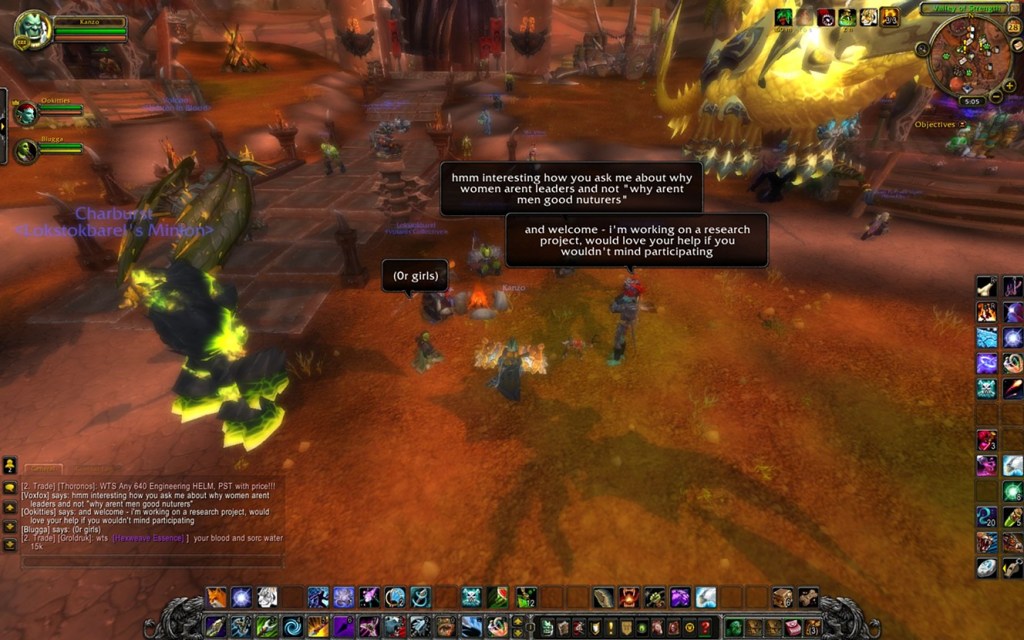


https://angelawashko.com/section/304188-In-Game-Videos.html
Olujobi is an architect turned game designer who utilizes virtual landscapes as a medium to deconstruct and contemplate linearity and binary gender expression.
Unreal Urbanisms | A User Guide To Engagement Gaming For Community Planning by Teimtope Olujobi. Olujobi, Temitope, “Unreal Urbanisms | A User Guide To Engagement Gaming For Community Planning” (2016).

https://www.blockworks.uk/research
Sources for landscapes: Video Game Walk throughs
Youtube-DL if you’re familiar with homebrew or command line interfaces
https://x2convert.com/en36- browser based
Screen shots: Shift command 4 on a mac screen Print Screen key on a PC
Briclyn Forest
https://www.instagram.com/itsbriclynforest/

Tatsuo Horiuchi

Cory Arcangel – Super Mario Clouds – 2002
Just the clouds from Mario Brothers.
Found Photography and Collected Data
Google Street View
Open Street Cameras
Flickr
Reverse google search
Pictures from the Street, (Bilder von der Straße) by Joachim Schmid
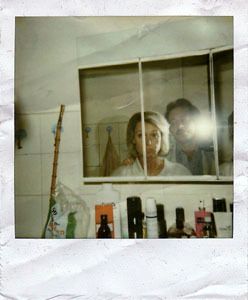

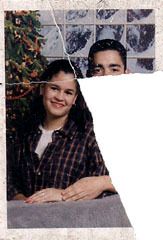
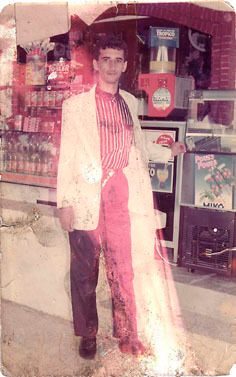

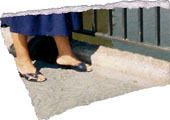

https://www.lensculture.com/articles/joachim-schmid-celebrating-photographic-garbage
He started one project, Pictures from the Street, (Bilder von der Straße, in German), in the early 1980s and it continues today. For this one, he keeps and classifies each and every photograph — or fragment of a photograph — he finds in a public space. (The collection has more than 900 specimens at present.) If a photograph has been ripped to pieces, he re-assembles what he can and mounts it as a scientist would. All pieces of this collection are arranged and displayed on identical sheets of archival paper, in chronological order, noting the date and place where each was found. It is impossible to look at this collection and not try to imagine stories about who is pictured, and who owned the photo, and why the photos were thrown away.
Watermarks of Google Street View by Everest Pipkin
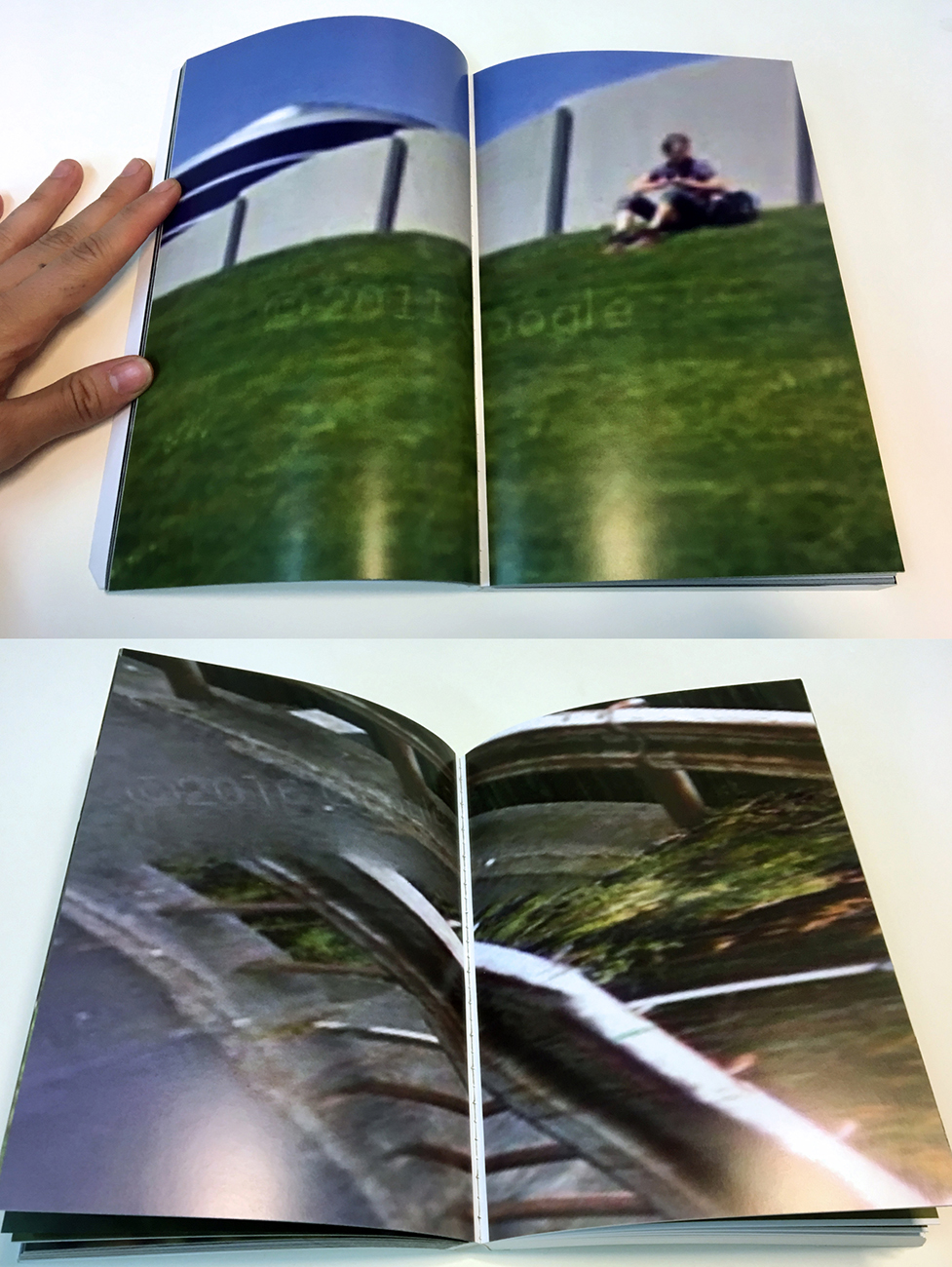
Watermarks of Google Street View is a collection of the Google logo watermarked over ‘culturally notable’ Street View landscapes (those that are often served on the Street View Homepage). These watermarks have been gathered by hand. This collection is concerned with the overlap of public and corporatized space through superimposition of commerce on landscape, as well as invisible resource exchange that keeps digital infrastructure online.
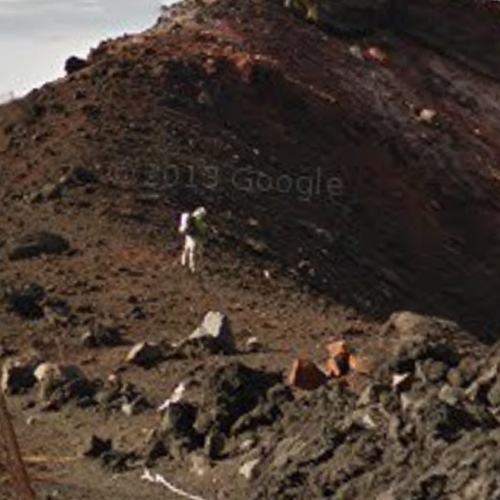
https://everest-pipkin.com/projects/watermarks.html
Cloud OCR by Everest Pipkin
It works by grabbing the Google Streetview imagery for a chosen location, looking up, and then running optical character recognition on the resulting photo. To say that this is an unexpected way to appreciate clouds is perhaps an understatement
https://ifyoulived.org/translations.html

*resource* OPTICAL CHARACTER RECOGNITION
https://ocr.space/
The OCR.space Online OCR service converts scans or (smartphone) images of text documents into editable files by using Optical Character Recognition (OCR). The OCR software also can get text from PDF.
Nine Eyes of Google Street View, Jon Rafman, 2008
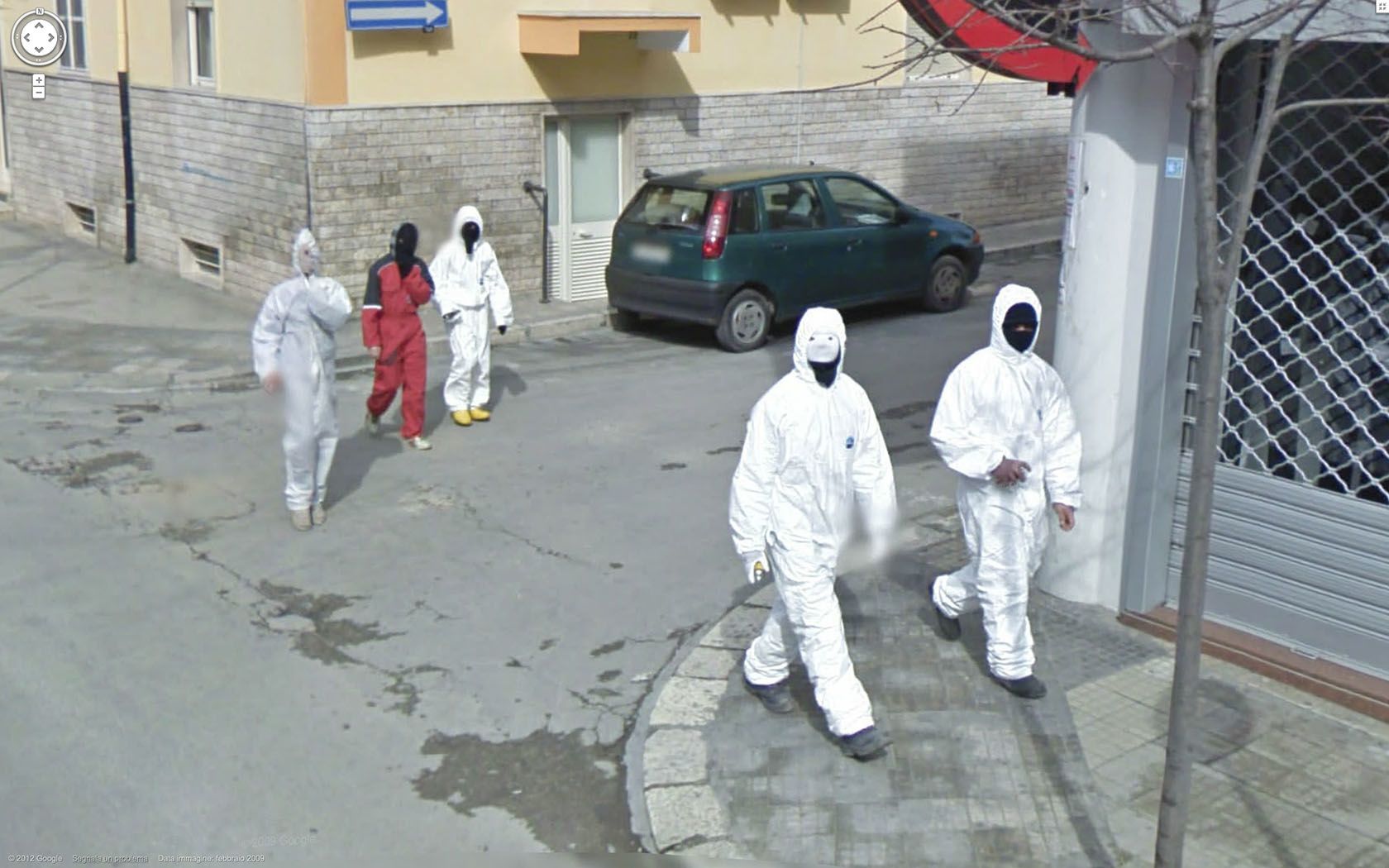
In 2008, Jon Rafman began to collect screenshots of images from Google Street View. At the time, Street View was a relatively new initiative, an effort to document everything in the world that could be seen from a moving car. A massive, undiscerning machine for image-making whose purpose is to simply capture everything, Street View takes photographs without apparent concern for ethics or aesthetics, from a supposedly neutral point of view.
Rafman conducted a close reading of Google Street View and began to isolate images from this massive database, publishing them on blogs, as PDFs, in books, and as large C-prints for gallery exhibition. In so doing, he reframed them within longer histories of photography and painting, raising questions about the meaning and function of these images and their implications for artists and image-makers.
about: https://anthology.rhizome.org/9-eyes


Mishka Henner “Feed Lots”
Mishka Henner has been gathering satellite images of feedlots, or Concentrated Animal Feeding Operations (CAFOs). Ordinarily, photographing CAFOs is illegal due to “Ag-Gag” laws.

https://mishkahenner.com/Feedlots
These images are stitched together from screenshots of google earth
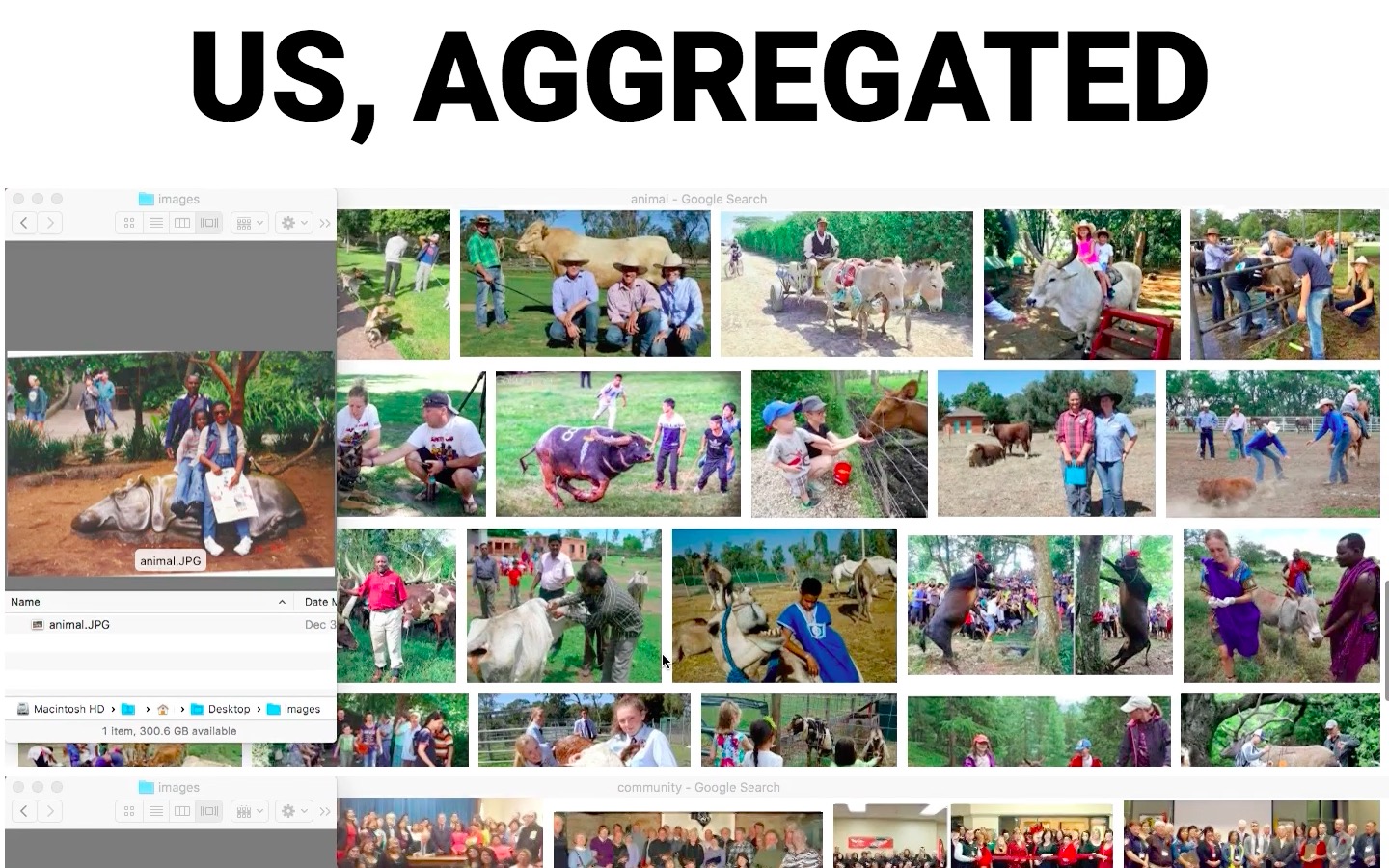
“Us, Aggregated 3.0” bMimi Ọnụọha
Uses Google’s reverse-image search algorithms to hint at questions of power, community, and identity. The work presents an expanded collection of photos from the artist’s family’s personal collection set alongside images scraped from Google’s library that have been algorithmically categorized as similar. Viewed together, the images evoke a sensation of community and similarity that belies the fact that the subjects are randomly assorted, a manufactured aggregation of “us” that remains an “us” nonetheless.
Cassandra C. Jones, Eventide (2004)
represents a single object — the Sun — constructed from hundreds of photos by different people. The full video shows a complete sunset.

Jill Magid’s ‘Evidence Locker’


in 2004, Jill Magid spent 31 days in Liverpool, during which time she developed a close relationship with Citywatch (Merseyside Police and Liverpool City Council), whose function is citywide video surveillance- the largest system of its kind in England.
The videos in her Evidence Locker were staged and edited by the artist and filmed by the police using the public surveillance cameras in the city centre. Wearing a bright red trench coat she would call the police on duty with details of where she was and ask them to film her in particular poses, places or even guide her through the city with her eyes closed, as seen in the video Trust.

A Field Guide to Roadside Wildflowers at Full Speed by Chris Helzer


SLOW TV
Sjezus zeg, Zilla by Zilla van den Born

“We live in a visual culture in which mediated information and reality are intertwined. Daily we get to see a large flow of images that make it possible to get to know the rest of the world.
As part of my graduation project I went to Southeast Asia. At least, that’s what I made my classmates, friends, family and even my parents believe. Meanwhile, I stayed home and travelled to Thailand, Cambodia and Laos from behind my desk. I did this to show people that we filter and manipulate what we show on social media. Thereby we create an online ideal world which reality can no longer meet.”
The book ‘Sjezus zeg, Zilla’ shows a picture report of my fake trip to Asia. The photographs in this book have been edited, manipulated and changed to a new truth. Scan the pages with the augmented reality app Layar to bring the images to life into videos which reveal the actual reality.
https://www.behance.net/gallery/17206525/Sjezus-zeg-Zilla


 NEW LENSES: Experimental Capture and Release
Leave a comment