What is a wigglegram?
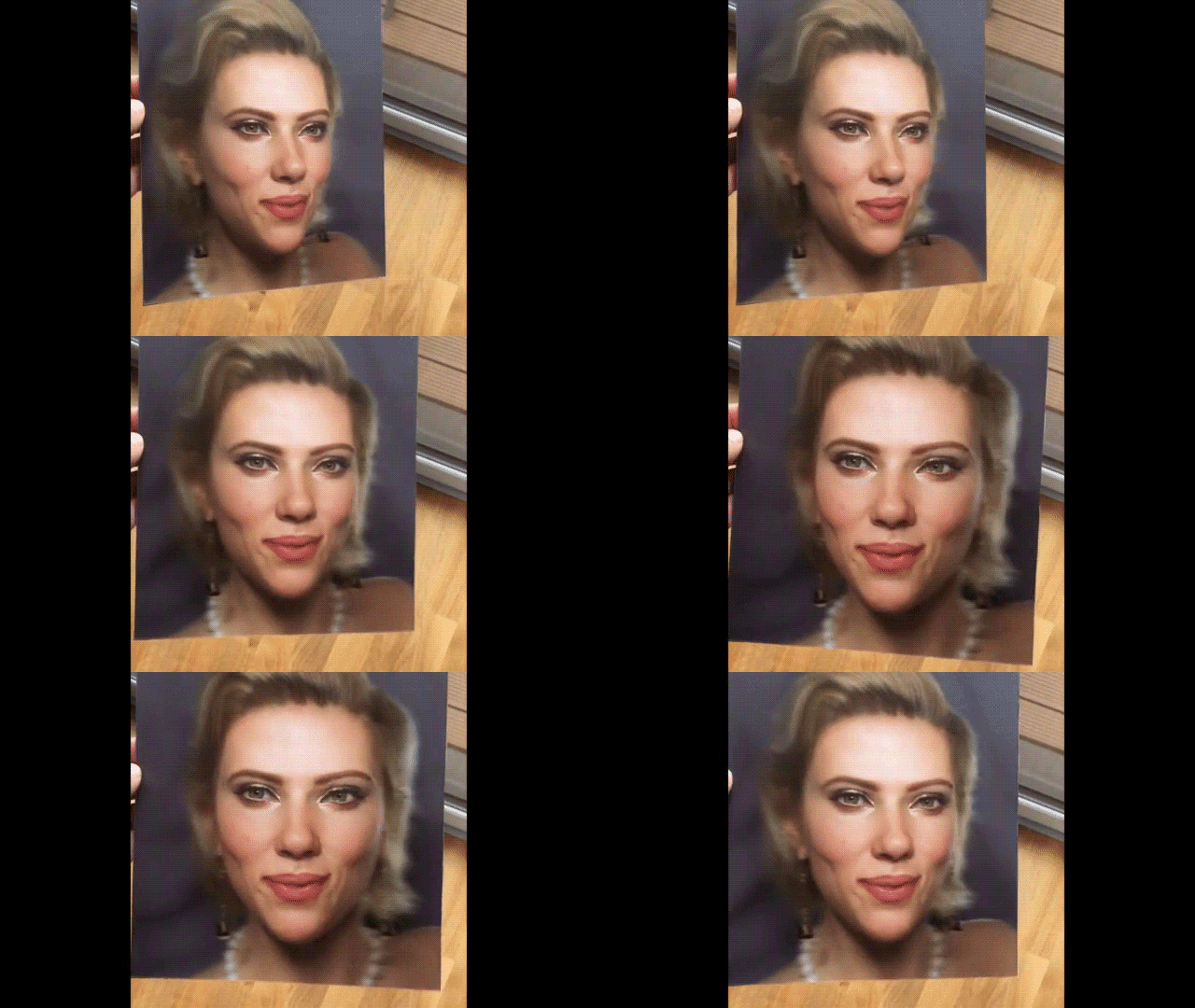
It’s a gif-video-image-thing made of several photos taken from several angles. These photos are then all fixed on some point, and looped through infinitely. It’s a bit like rendering a photo in 3D. Here’s some examples taken by me.

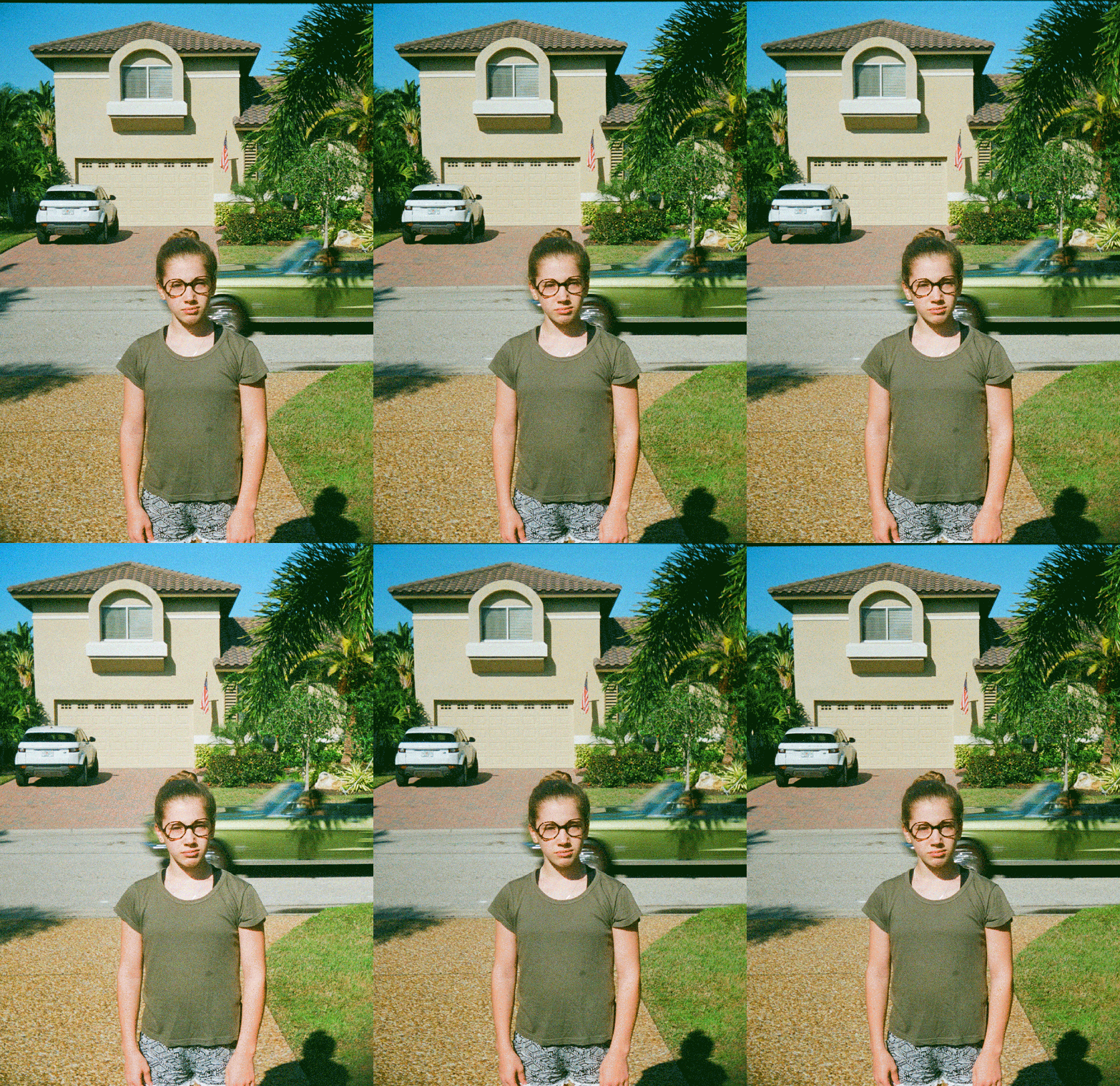
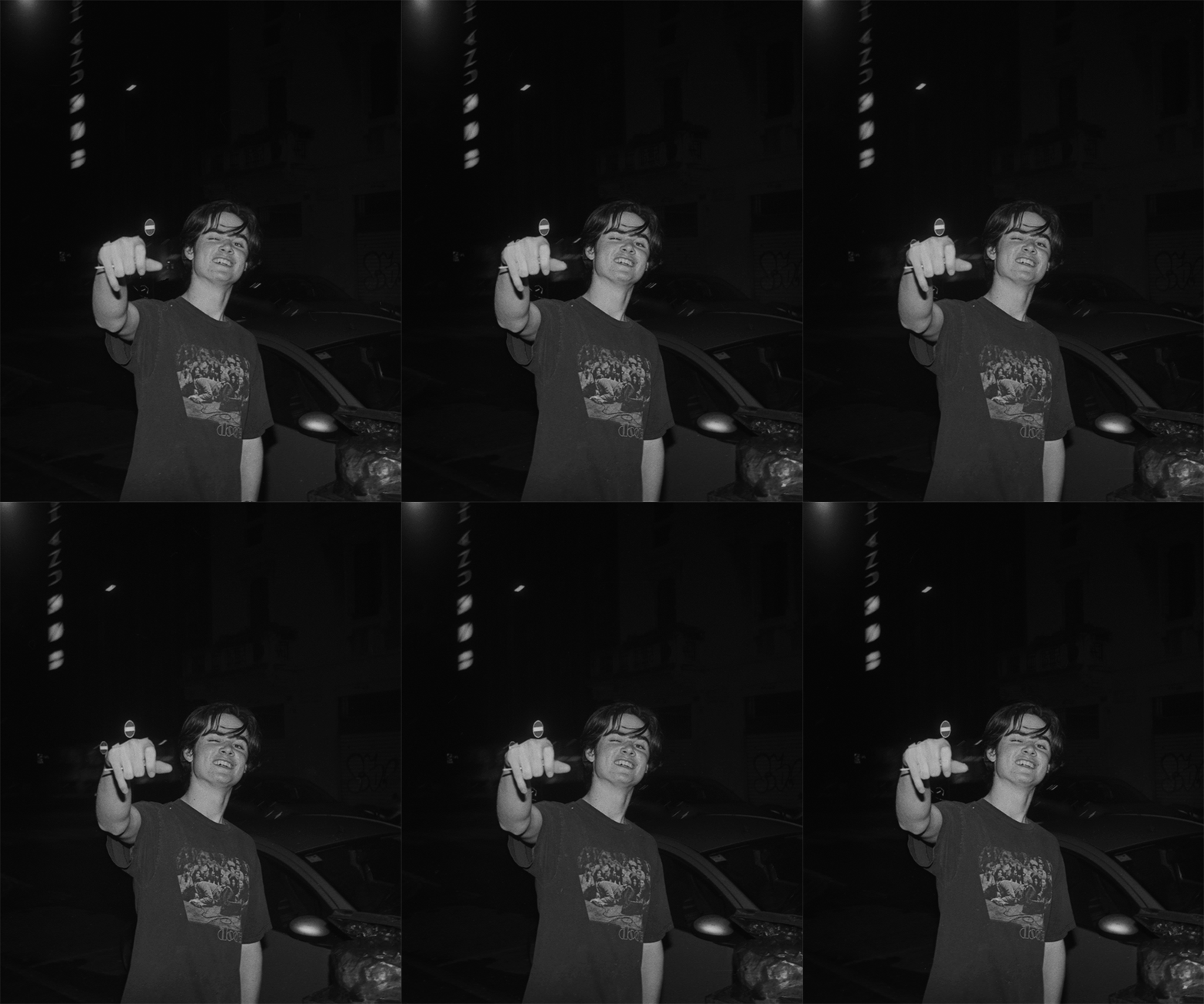
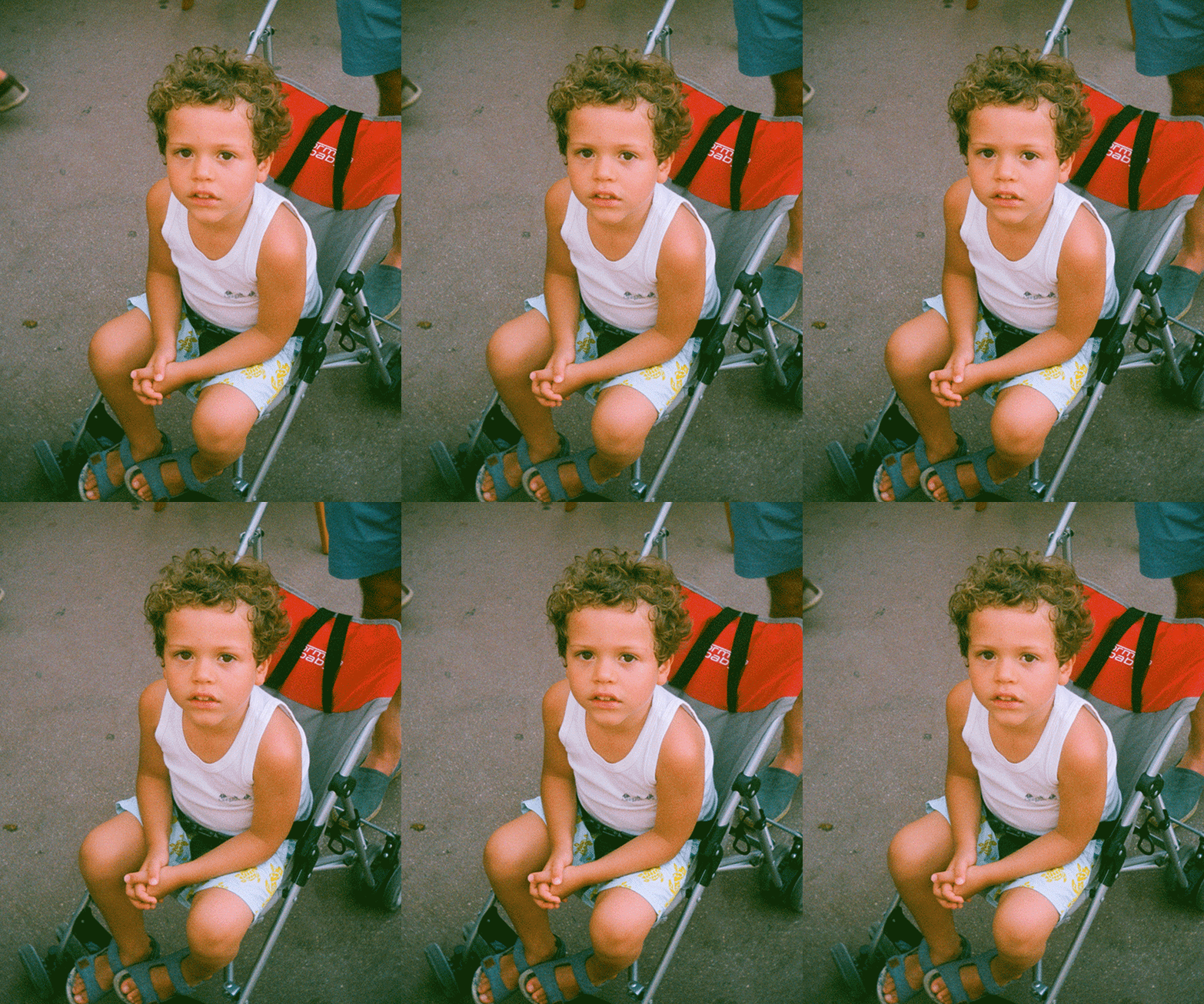
Quick History About Stereoscopy and Making 2D Look 3D
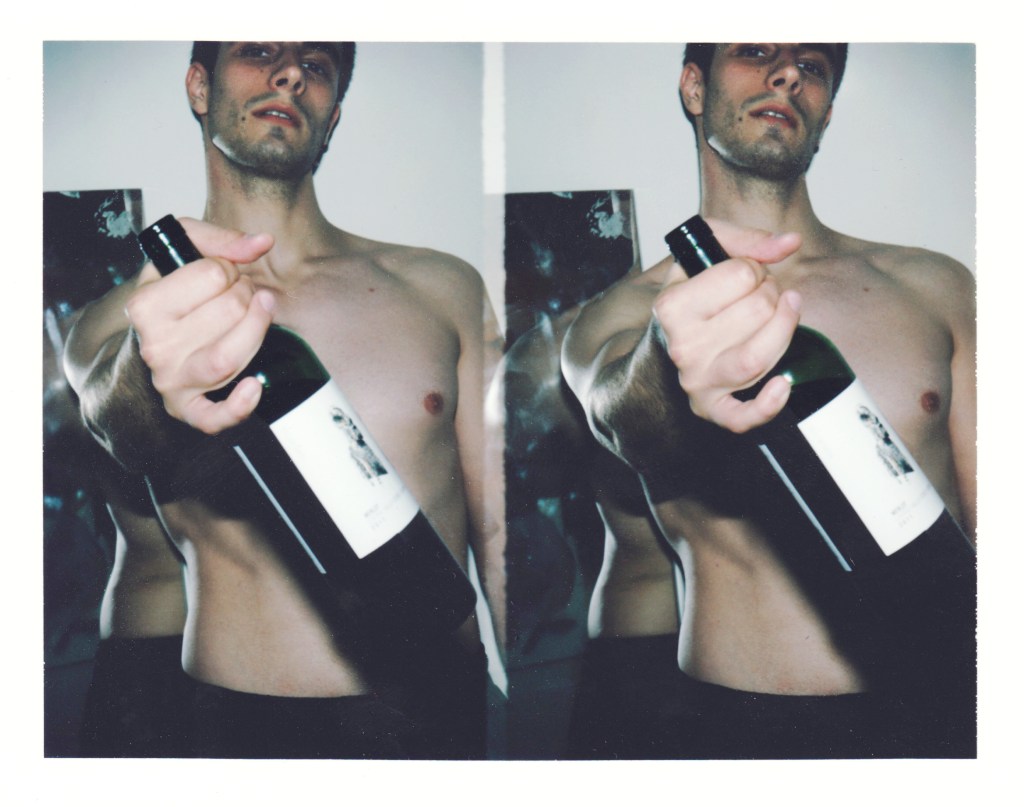
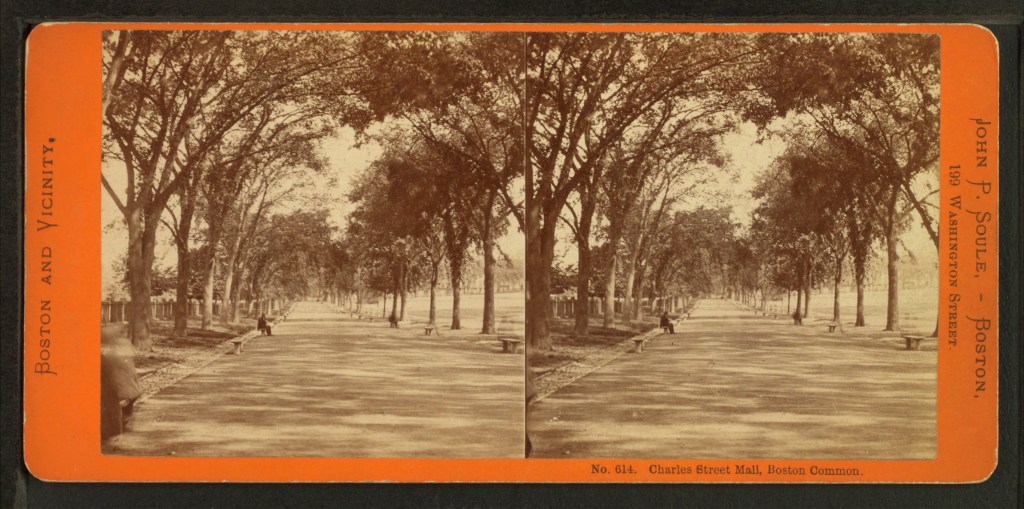
Stereoscopy is the technique of creating depth by taking advantage of binocular vision. Binocular vision is what allows people with two eyes to perceive depth and view the world as 3D rather than 2D. This illusion can be seen if you cross your eyes and look at the image below. (Might hurt your eyes if you do it for too long)
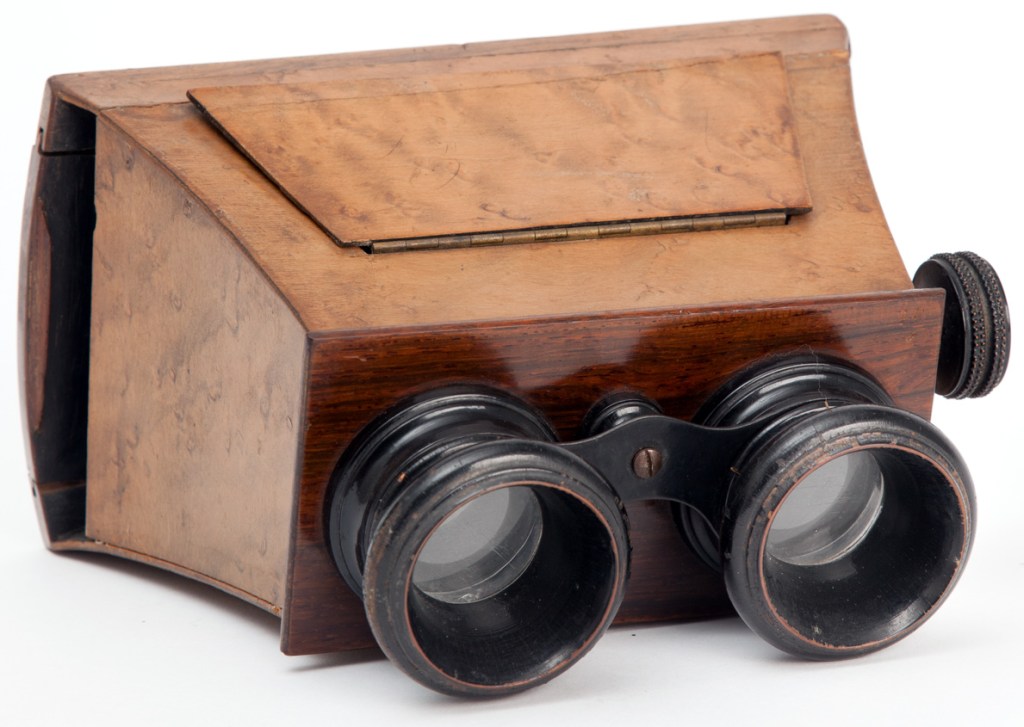
The first commercial application of stereoscopic images was through stereoscopes. Those weird binocular things you look through. You can find the image inserts for them all the time at antique stores.
This technology and breakthrough in understanding how we can create the illusion of depth through 2D images is still used today. These same principles are used in 3D glasses and VR goggles. Nasa even put a stereoscopic camera on the Mars rover.
Lenticular Printing, The Nimslo, and Clones
A lenticular print is a photo that gives the illusion of depth or of movement in a static 2D print. The image you see changes depending on the angle that you view the image from. I always found them at the checkout of book stores or gift stores.

The Nimslo was the first consumer camera (1980s) created to take images that could then be turned into lenticular prints. It functions similar to a point-and-shoot film camera, as it has automatic exposure. It snaps 4 photos at the same time, all from slightly different angles. This enables it to take advantage of the stereopsis effect for the creation of lenticular prints. At the time, you could send your film to dedicated lenticular print shops, though most have gone out of business or gone digital.

After the success of the Nimslo, a number of clones were developed: Nishika N8000, Nishika N9000, Image Tech 3D, and more recently the Reto3D. Fun consumer fact: people associate weight with quality. The Nishika is made out of lower quality plastic, so the manufacturers added a lead weight to make it seem higher quality.
Eventually, most of these companies went out of business. Mainly due to the rise of digital photography, the expensive costs of lenticular printing, and the niche audience. Most people wanted to take videos or photos, not some kind of hybrid image that costs a lot to produce.
30 Years Later
Analog to Digital
With the resurgence of film photography in the 2010s, 3D cameras found a new life. Instead of being used for physical lenticular prints, they were now being used to create ‘digital lenticular prints’ – also know as wigglegrams, stereographs, wiggle 3D, piku piku, and more. By taking the photos and using them as layers in Photoshop, you can create a frame animation that loops through all the photos.
In Pop Culture
The first time I saw this effect was in a 2016 music video for Mura Masa. Soon after, I started seeing it in more places. This effect has also been used several music videos and on social media.
This effect can be achieved without a special camera as well. As long as you take photos from a number of different angles and iterate through them, you can achieve the same effect. The band Mint Julep has a number of music videos that produce a similar effect, except they aren’t using a fancy camera.
There are also a number of apps now that allow you to make these kinds of photos/videos: Wigglegram Maker, Slide, Núshika, Film3D.
Extra Twists
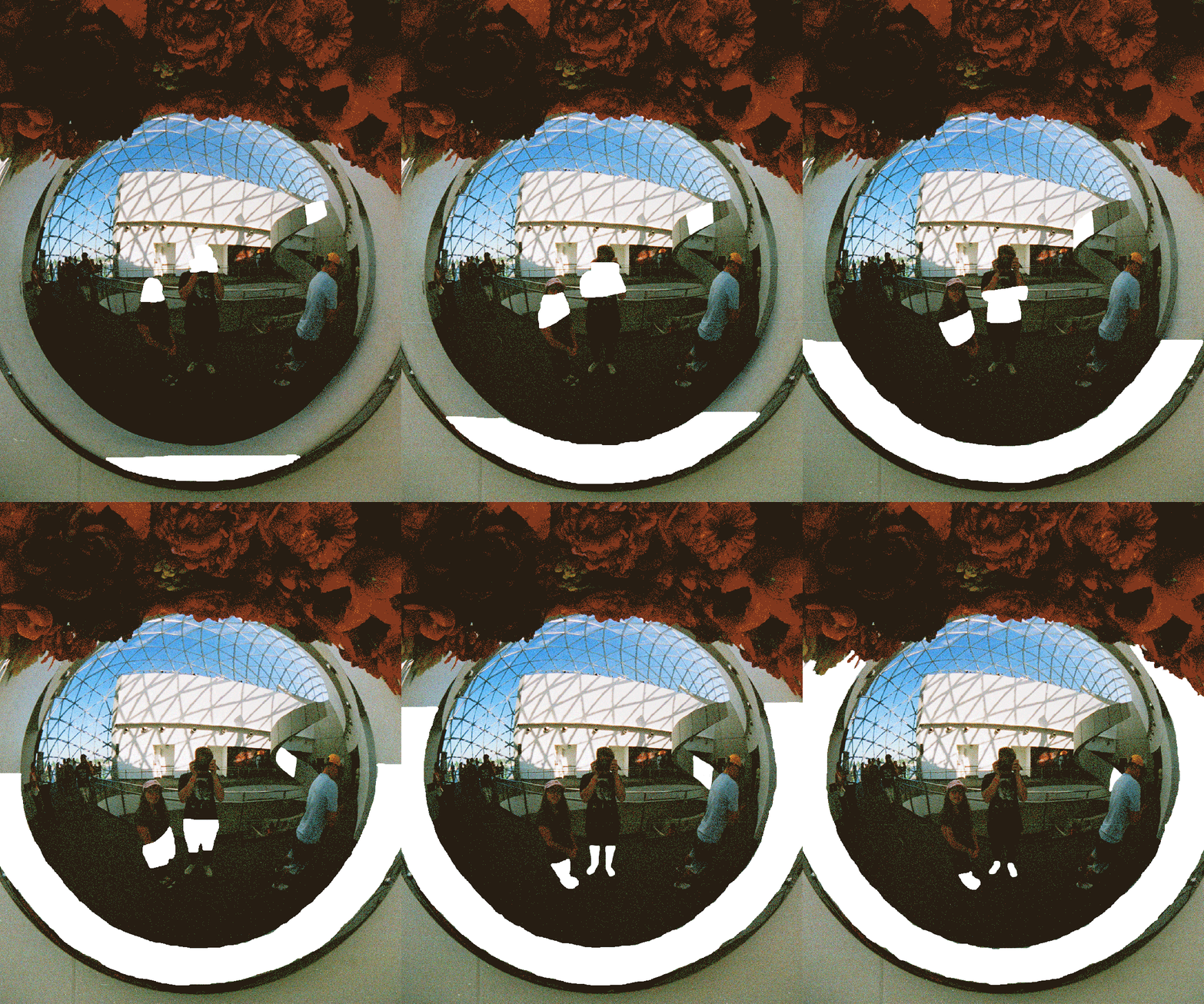
Since photoshop is used, the frames in the wigglegrams can be altered in any way that photoshop allows. You can draw on the images, distort certain frames, and so much more. You can also use video editing software to interpolate the frames or create cool transitions.

My Thoughts
I think it’s super cool that with the resurgence of film, that the 3D cameras have made a comeback. I think that it’s a very cool type of content. I feel like in 2016-2018 you would have seen a wigglegram at some point if you were scrolling through social media or watching a lot of music videos. However, I think it’s a dying trend. They are cool, but a bit like lenticular prints, they are gimmicky. I feel like the trend is dying for the same reason that the camera companies died. People would rather have regular photos, videos, or something new. And wigglegrams aren’t as new as they used to be.
 NEW LENSES: Experimental Capture and Release

Leave a comment