
Congratulations! New achievement unlocked.
Words that indeed spark joy for many people. The gamification of non-game content is not a new concept, as it can be seen in many things that we do. For instance, Loyalty Stamp Cards or simple to-do lists. Today, much of the media that we interact with has since followed suit, also becoming gamified in a few different ways.
Achievements & Reward System
Achievement-based gamification in media works by creating a certain set of objectives or challenges for the user to complete in order to be rewarded. A few potential reasons, in which psychology points us to, as for why achievement games have a massive appeal include how they boost our self-efficacy (resulting in feelings of satisfaction), they provide indirect feedback on users’ performance, and they motivate people to continue to engage to get more rewards. This type of gamification can manifest in a few different ways:
Badges and Trophies
Badges and trophies appear to be more prominent in media that inherently has more user interaction embedded in how it works.

Most media within the badge and trophy achievements trope function similarly to that of Duolingo, Snapchat or different health/step tracker apps. You are rewarded based on the completion of certain tasks, whether collectively over time or within the span of a certain time or time frame.


On the flip side, you have apps like Forest or initiatives like UNICEF’s Tap Project, where you are rewarded for inaction. For these examples, it is specifically the act of not using your phone that rewards you.
Ranks and Titles
Ranks and titles can incite your competitive nature, a want to stand out and differentiate yourself from others, or a desire for something akin to prestige. They serve as digital proof of having achieved something unique.

Most gamified media that include ranks and titles seem to do so in an isolated way, where your personal rank or achievement is not affected by another person also earning the same title. This can be seen in the above example with Yelp’s “Elite” ranking, which is a title that is earned by being a good Yelp role model.
Achievement-based gamification can incentivize using different platforms on the internet for good, benefitting not only the individual but the whole community.
Interaction & Personalization
With an interaction and personalization-based approach to gamification, users are given a feeling of autonomy and authority over their choices.

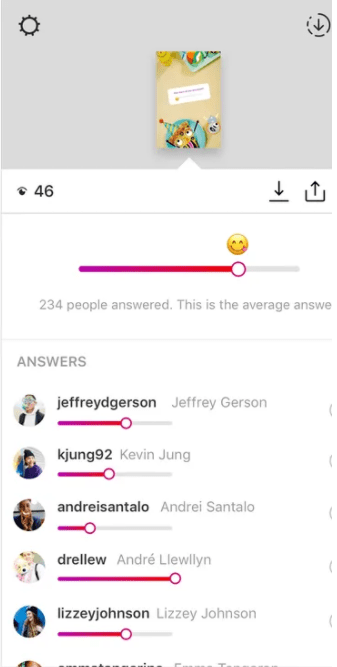
For a while now, Instagram is a platform that has notably incorporated interaction into how they allow their users to interact with each other. In particular, I thought about their Instagram stories.
Creator Side
This allows them to get a response back from the people viewing their stories rather than just knowing that someone saw it. Similarly to the achievement-based trope, it gives the user feedback and allows them to gauge different things depending on their intentions with posting.
Participant Side
This also allows people on the viewers’ side to garner a sense of ownership in the end result, and therefore, a deeper connection associated with the media’s community.

Bandersnatch was an interesting form of gamification to think about for me. It was not the first of its kind, as there were movies like Kinoautomat by Raduz Cincera that aimed to allow a similar interactive experience. However, interactive, choose-your-own-adventure movies such as Bandersnatch seem to beg the question of how much control we think we have over digital personalization in contrast to how much we actually have due to the limits imposed from the digital space.
My Thoughts
Pros and Cons
Something that these different types of gamifications in media have in common is that they all both give the user a sense of control over what they do, and they all, to some extent, use a reward system to hook the user. I think it is not necessarily a bad thing, especially when it comes to things like educational content or wellness to help keep people cognizant and engaged in building healthy habits. However, there is always an extreme to everything, and if it leads to obsessive traits, that can also be very detrimental.
The Future of Gamification
With everything transitioning to be very digitalized and tech-based, and with the gamification of everyday tasks not being a new thing, the progression of media becoming gamified seemed to be a natural, inevitable occurrence. As technology continues to advance, I believe that innovations and iterations to this interactive media will also continue to progress, like what we have seen with the increased use of AR across different platforms over the course of the past few years. Yet, I do wonder, with our growing usage of technology, whether we have become overly reliant on using it, whether it has changed our view of the natural world, and whether that is a good thing or not.
Sources:
- https://www.psychologyofgames.com/2016/07/why-do-achievements-trophies-and-badges-work/
- https://www.yelp-support.com/article/What-is-Yelps-Elite-Squad?l=en_US
- https://www.theverge.com/2018/5/10/17339504/instagram-stories-emoji-slider-poll
- https://www.factinate.com/editorial/choosing-your-own-adventure-the-history-of-interactive-movies/
 NEW LENSES: Experimental Capture and Release
Leave a comment