Housekeeping:
– If you haven’t already, please choose what day you’d like to present your content report via the doodle poll
– Begin thinking about your Final Unit Project
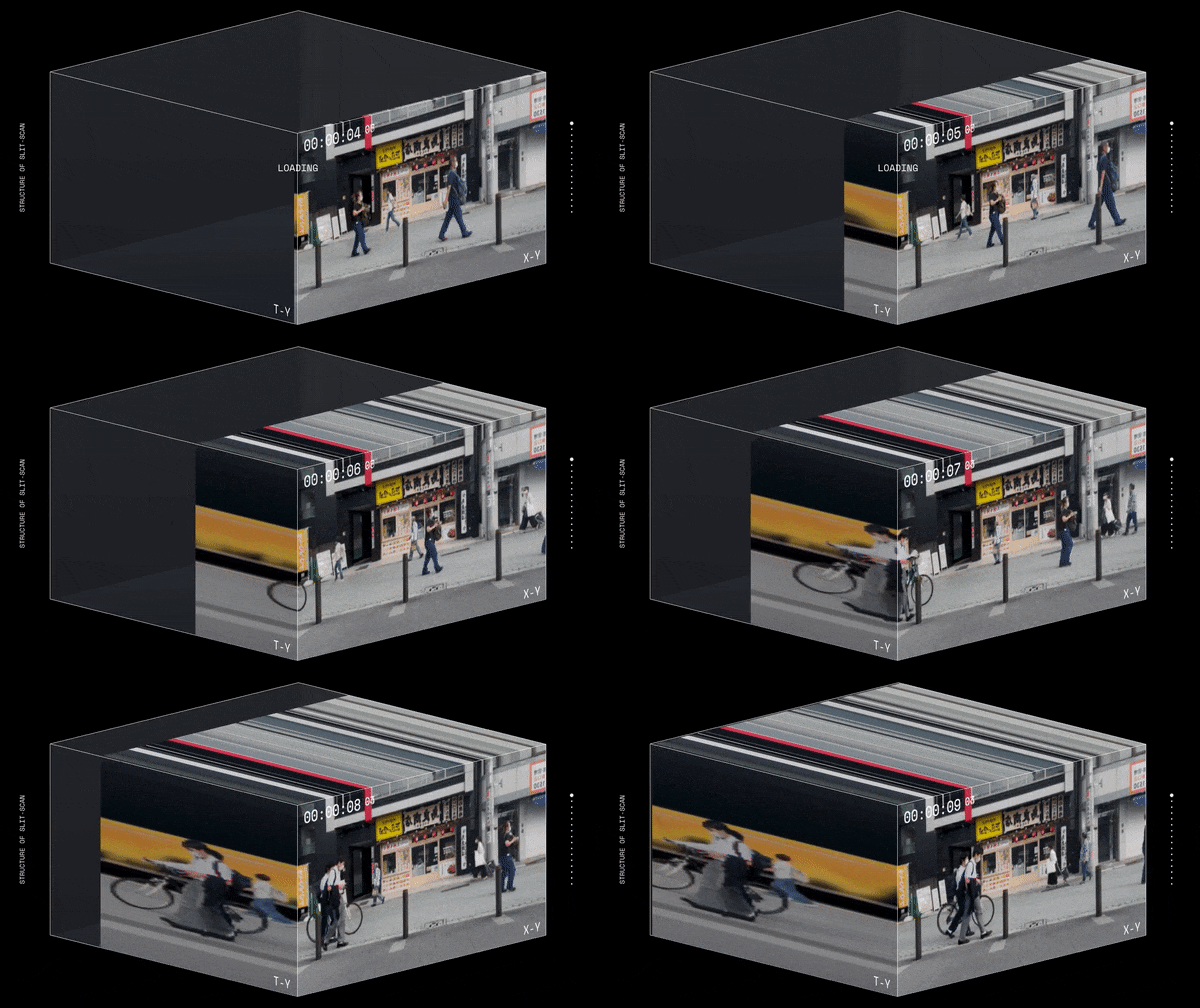
Joachim Sauter & Dirk Lüsebrink
The Invisible Shape of Things Past (1995)
Sauter and Lüsebrink create volumetric forms from the paths swept by cameras that have moved through spaces. They then geolocate these objects (virtually) into the original locales, and 3D print these objects (physically) as tools for understanding space and cinema. The external surfaces of these volumes are exactly equivalent to slit-scans produced from the pixels on the edges of the cinema frame.


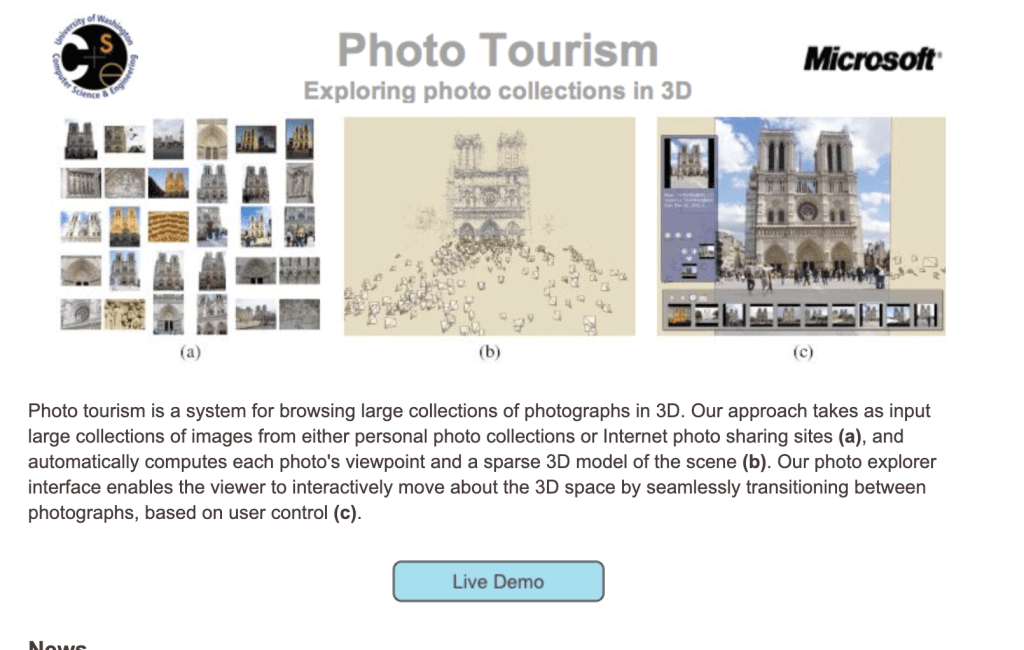
Photo tourism and Photosynth by Microsoft Research
Microsoft Research developed 3D models from thousands of tagged tourist photos.
The House on Blue Lick Road

https://3d-marketing.captur3d.io/view/keller-williams-louisville-east/8800-blue-lick-rd
ScanLAB
https://scanlabprojects.co.uk/
New York Times Photogrammetry
https://rd.nytimes.com/projects/reconstructing-journalistic-scenes-in-3d

Seamless Transitions by James Bridle
In 2013 Bridle began collating witness accounts, planning applications and open source information as investigative means into the immigration and detention system. Working in collaboration with leading architectural visualisation company Picture Plane, 3D tours of three key sites have been created: Harmondsworth Immigration Removal Centre at Heathrow; the Special Immigration Appeals Commission in the City of London, whose design is informed by the need to present evidence in secret; and the Inflite Jet Centre at Stansted Airport, a private terminal used after hours by the Home Office to deport rejected migrants.
Calculating the 3D shape of lightning
from two people in completely different places getting a photo of the same lightning bolt.


oddviz
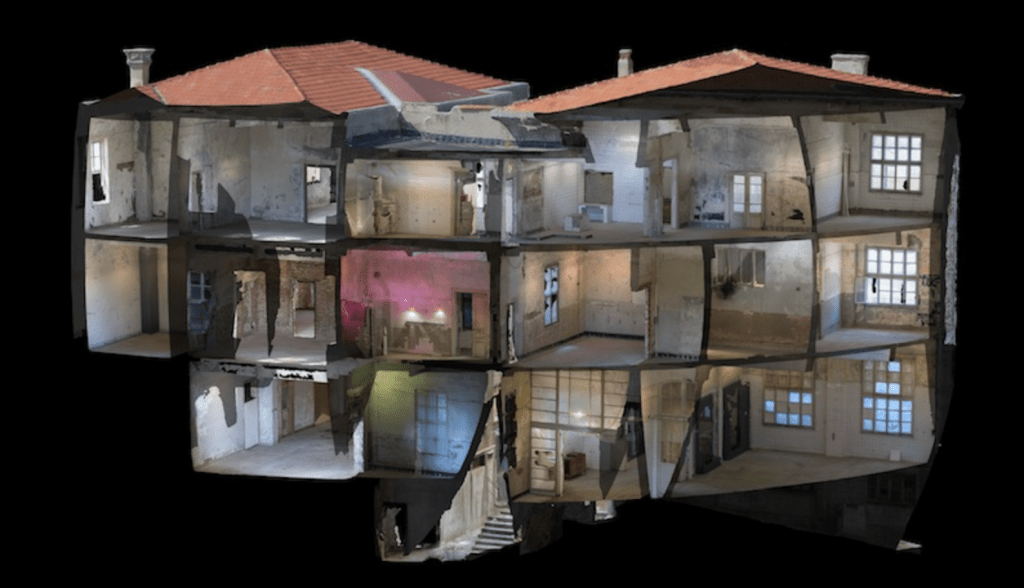
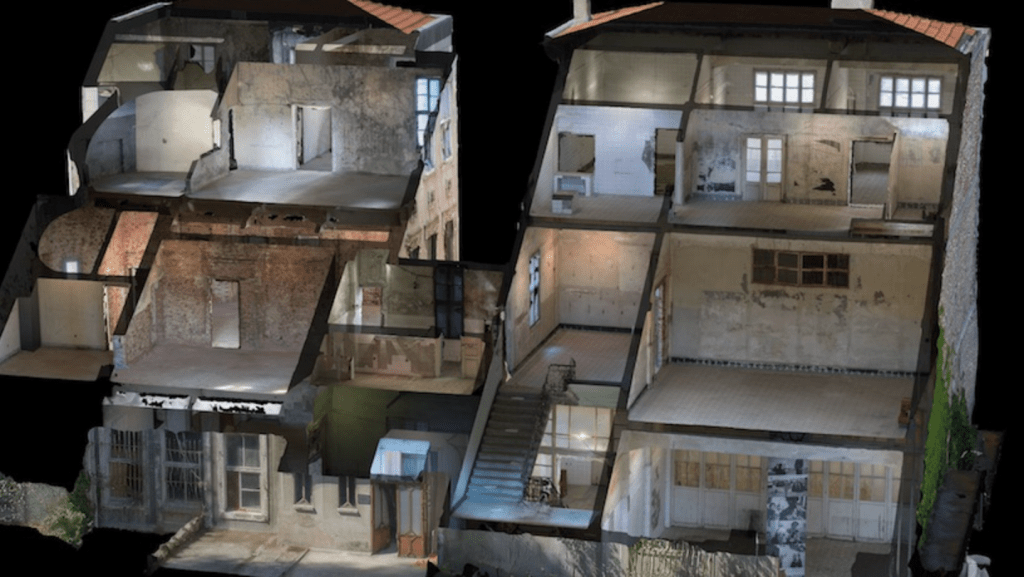
A collective of artists that uses photogrammetry to document in three dimensions, presents its latest project part of the ongoing ‘contextures’ series, el orfelinato. the abandoned jewish orphanage in ortaköy, turkey has been home to thousands of lives during its century old history. this orphanage is a dense and harmonious living space housing hundreds of children under same roof simultaneously.
Watertight by Ziv Schneider and Caitlin Robinson
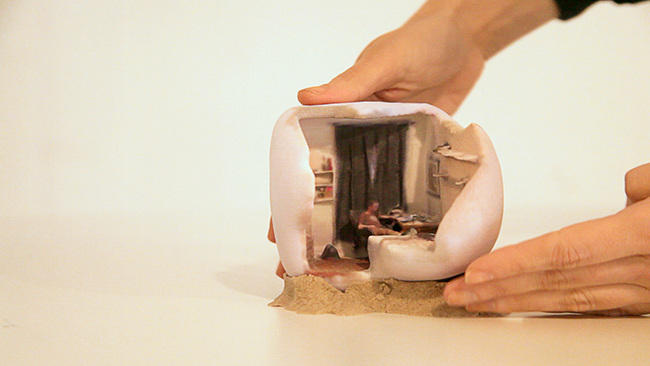
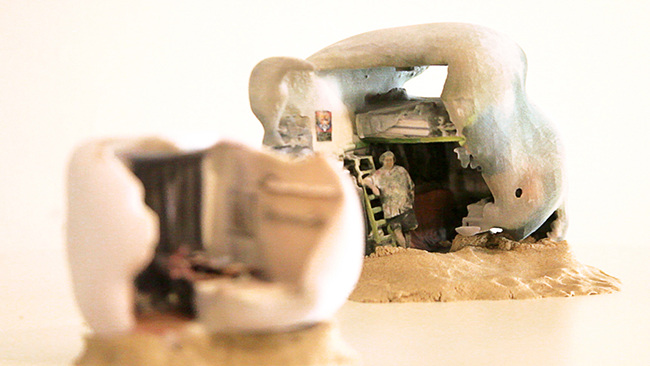
A collection of anthropological specimens that encapsulate the freedom and tethers of contemporary single-occupant living units.
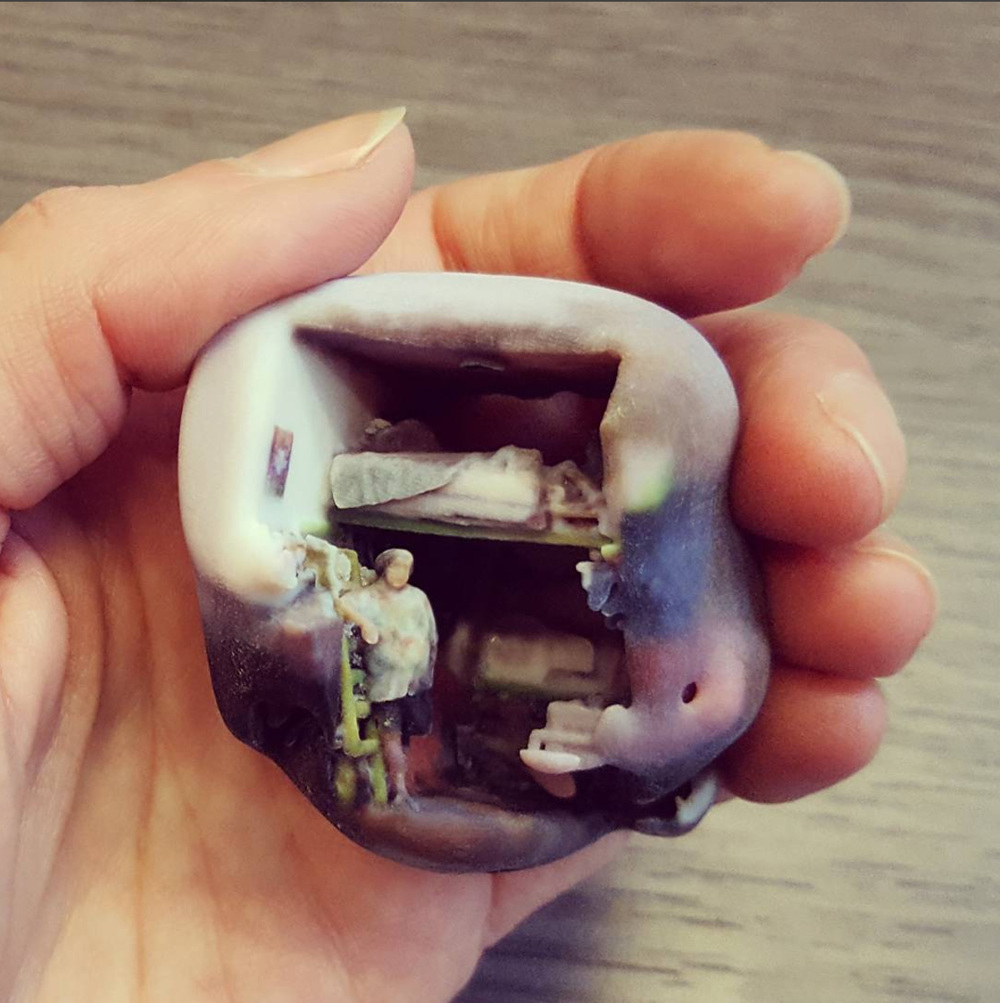
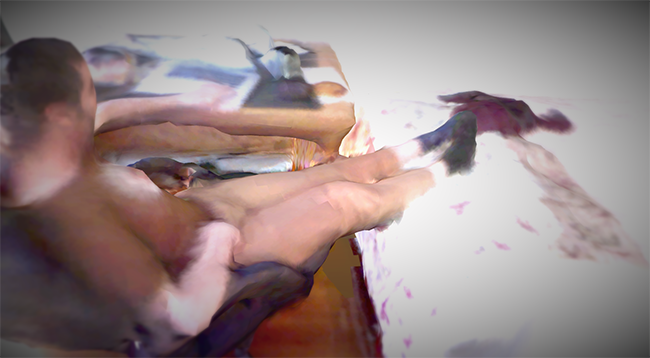
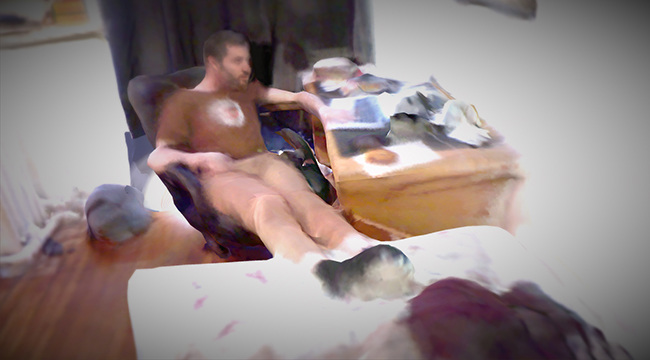
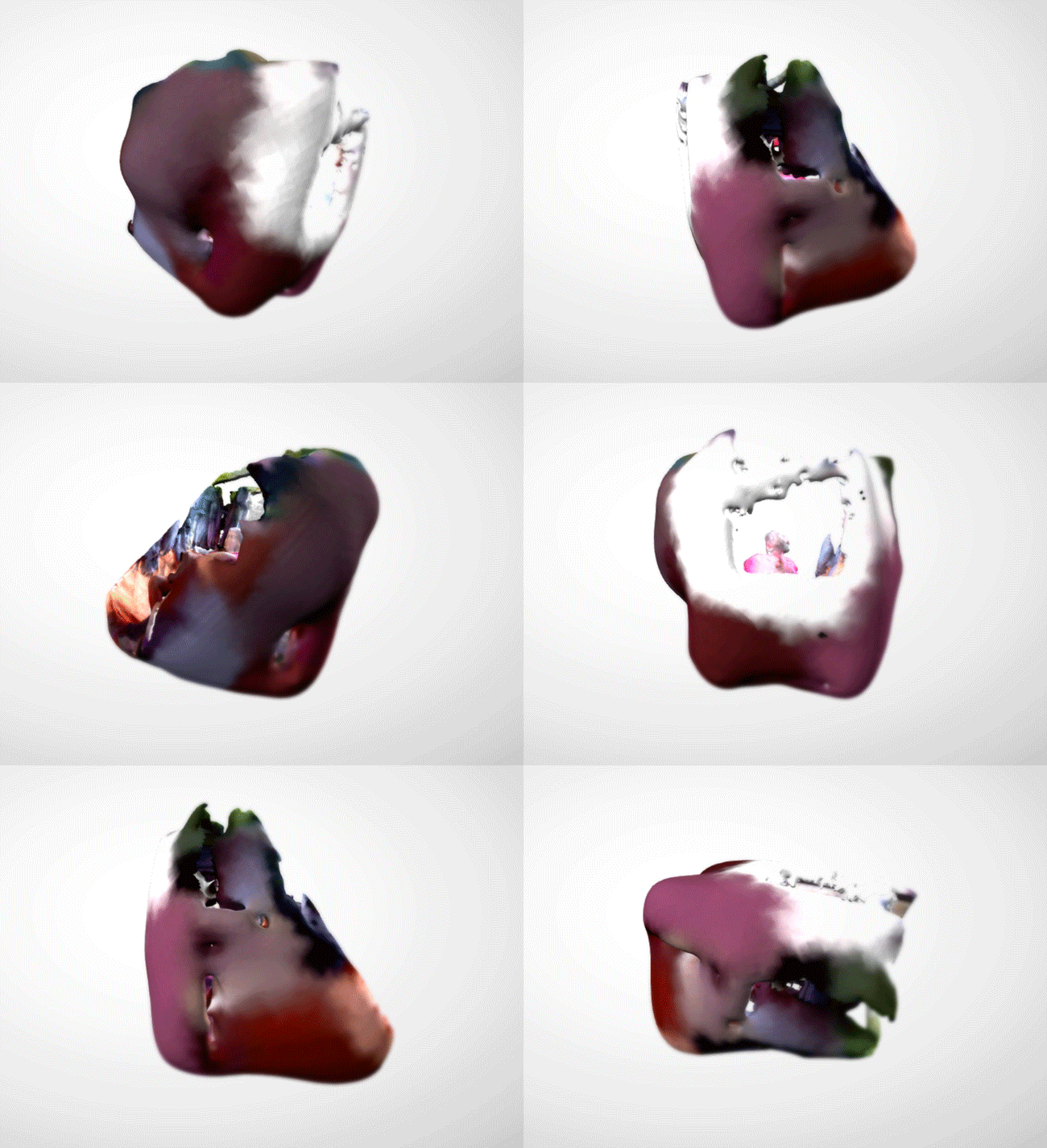
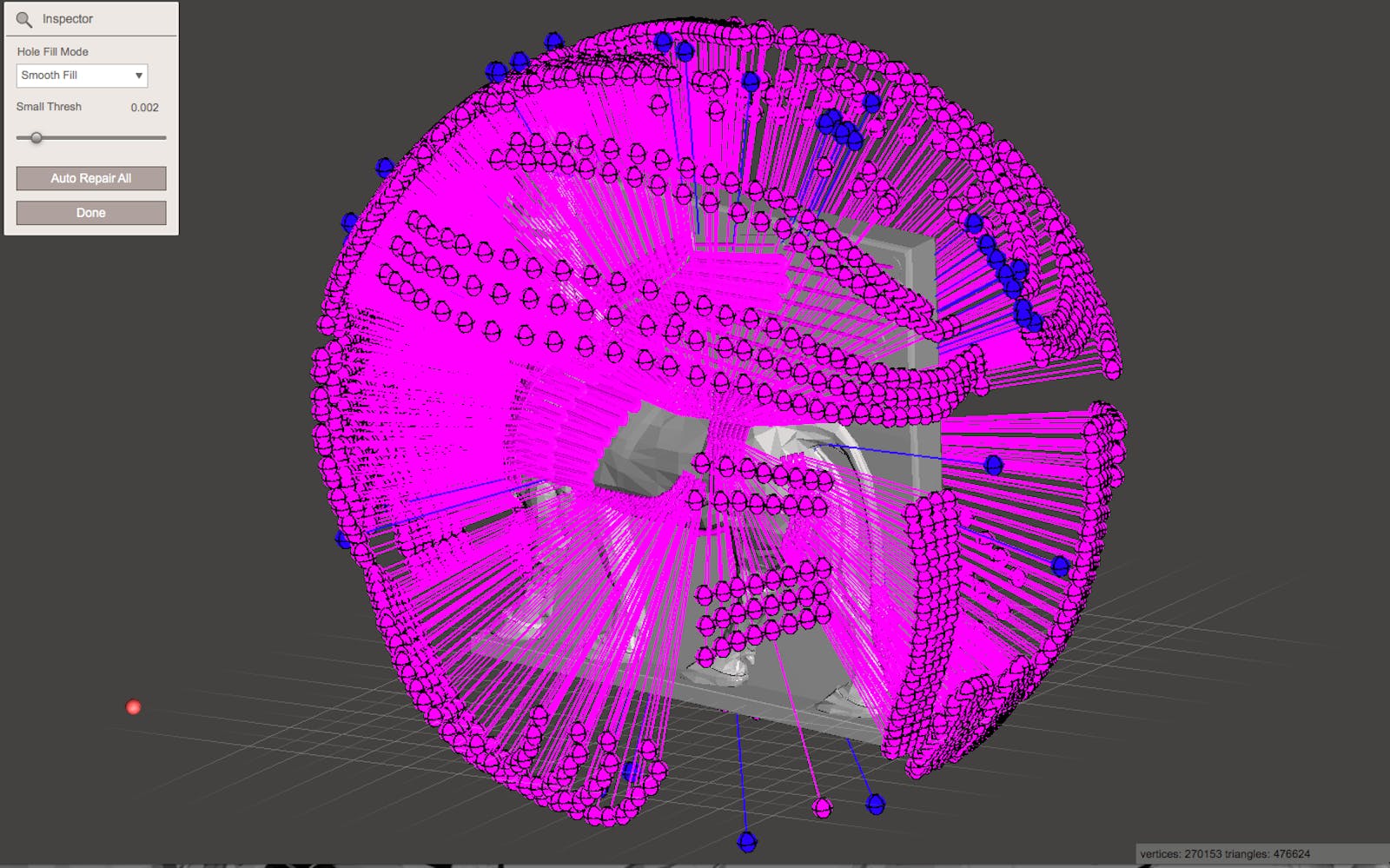
As the depth information of the environment is collected, the software program Skanect converts the data points into a visual representation in digital form, known as a mesh. Once the mesh is complete, the specimen is prepared for archiving. A computative process, called “watertight”, translates the virtual representation into a format suitable for 3D printing. This algorithm rounds up the geometry of the mesh, filling holes, interpolating missing features, and estimating corrections for data errors.
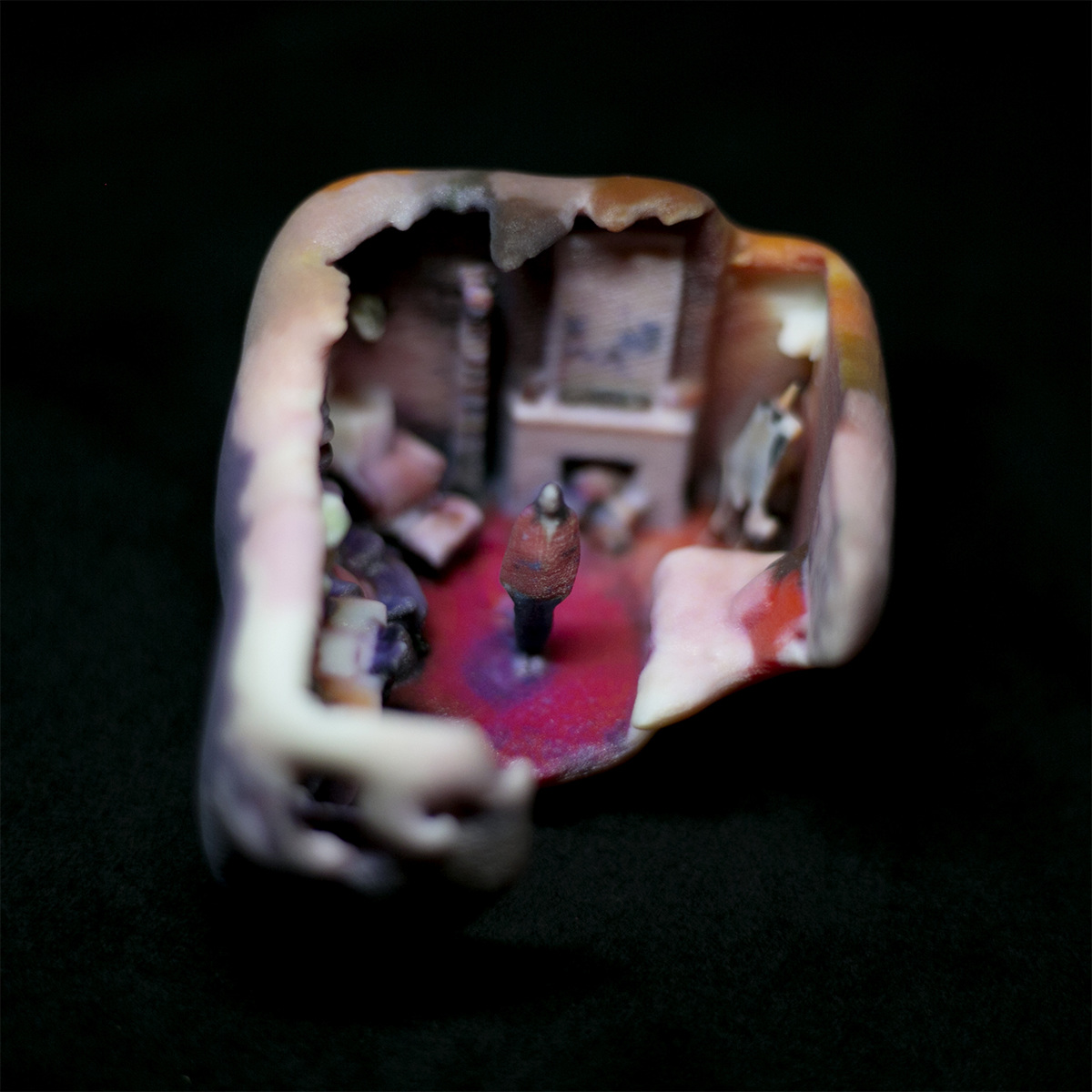
The physical replicas of the habitats are created through additive manufacture with a Stratasys J750 printer. The 3D prints are made of thousands of layers of a liquid photopolymer which is cured under ultraviolet light. This photopolymer is an acrylate plastic, and is predicted to retain its structure indefinitely.
Is This the Middle East by Rayane Jemaa
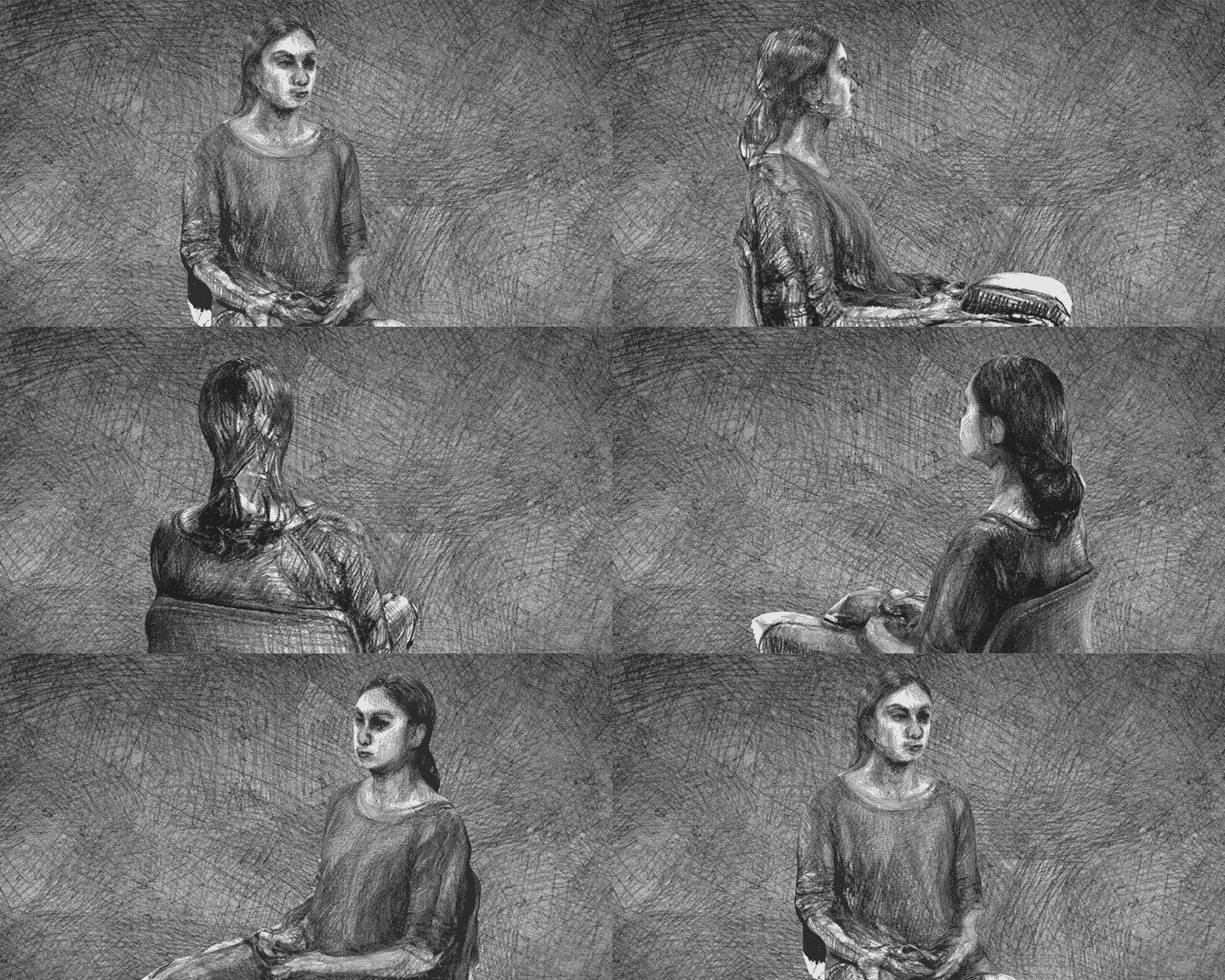
Hand-drawn photogrammetry experiment by Michelle Ma
Sculpture Cam by Studio Moniker
https://studiomoniker.com/projects/a-social-game-in-the-park
Visitors simply go to the website sculpture.cam on their phone and hunt for the sculptures that are provided to them based on their GPS location. Once they find the sculpture, they are presented with a blank silhouette of the artwork which they must try and capture precisely using their camera. Each artwork consists of 120 silhouettes to form a 360 degree rotation.
Brand New Paint Job by Jon Rafman
Jon Rafman’s Brand New Paint Job is a project where famous paintings are used to wallpaper amateur 3D models collected from Google 3D Warehouse. The project moves through a succession of hyper-real, lobbies, office spaces, cars and lounge rooms using a virtual camera. The resulting images reference the world of interior design magazines, 3D gaming, social media mashups and synthetic photography.
Vince Ibay
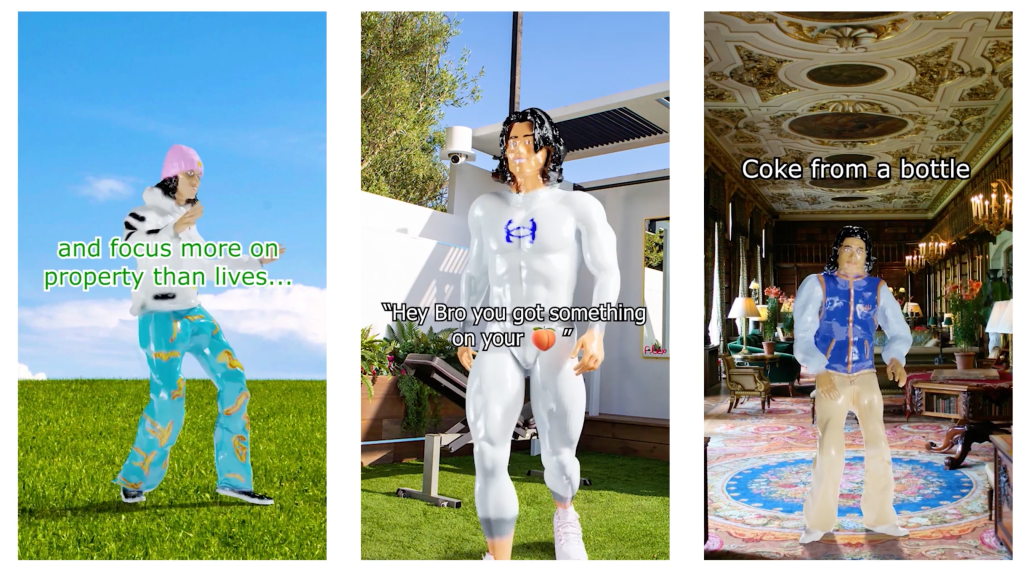
A digital artist who uses motion capture AI and photogrammetry to humorously explore complex technological issues, such as surveillance capitalism on social media.
Sally Jo


Rebeka Mór,

Team Rolfes

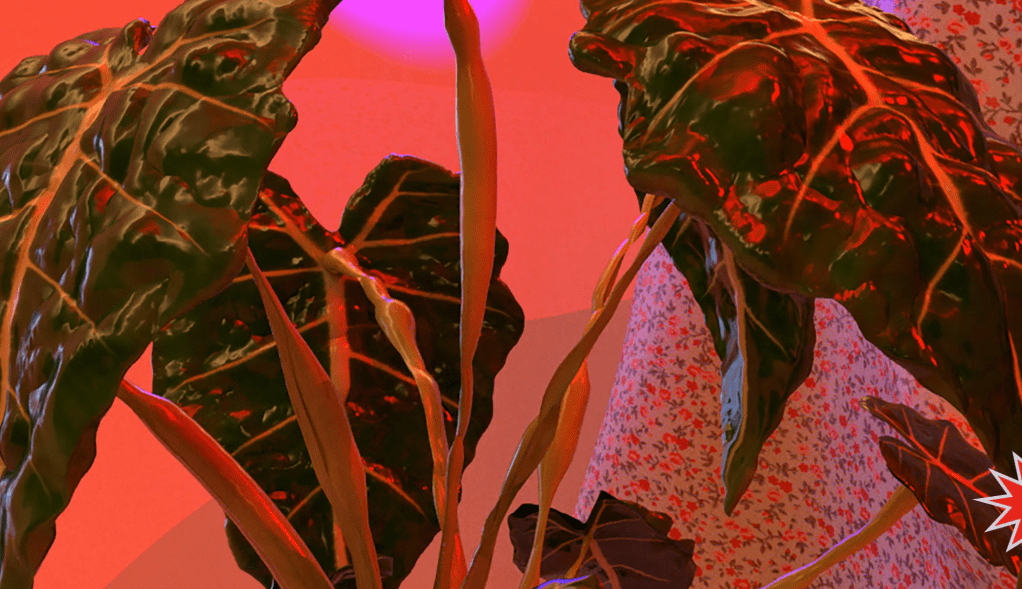
This performance was created by Sam Rolfes puppetting the two characters and the camera all at once in VR. Each character was controlled by a hand floating them through low gravity and the camera was Rolfes’ view during the performance. The motion was executed in one take, and created within a game engine using Rolfes’ real-time animation process.
ManvsMachine’s TV ads for Castello
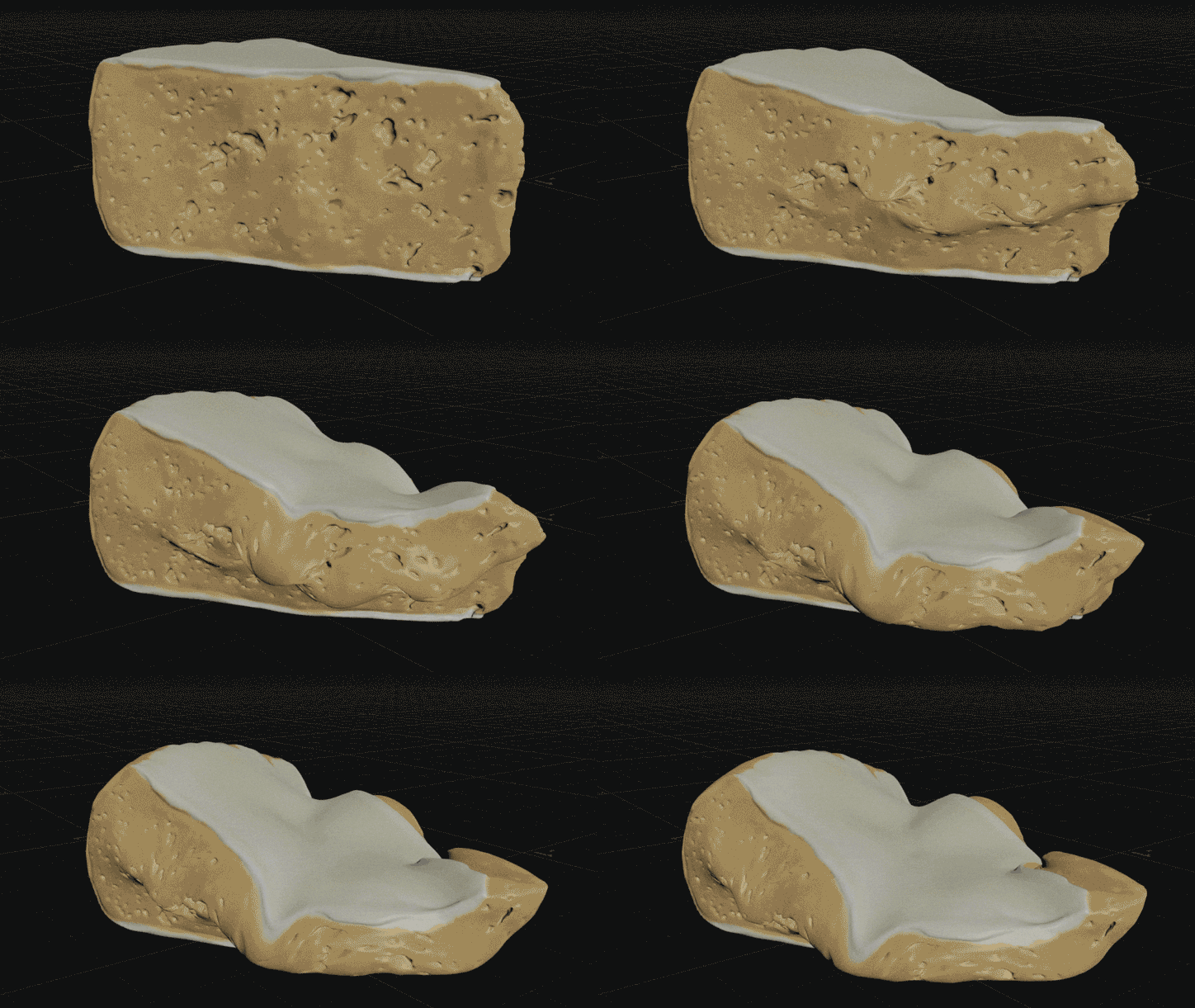
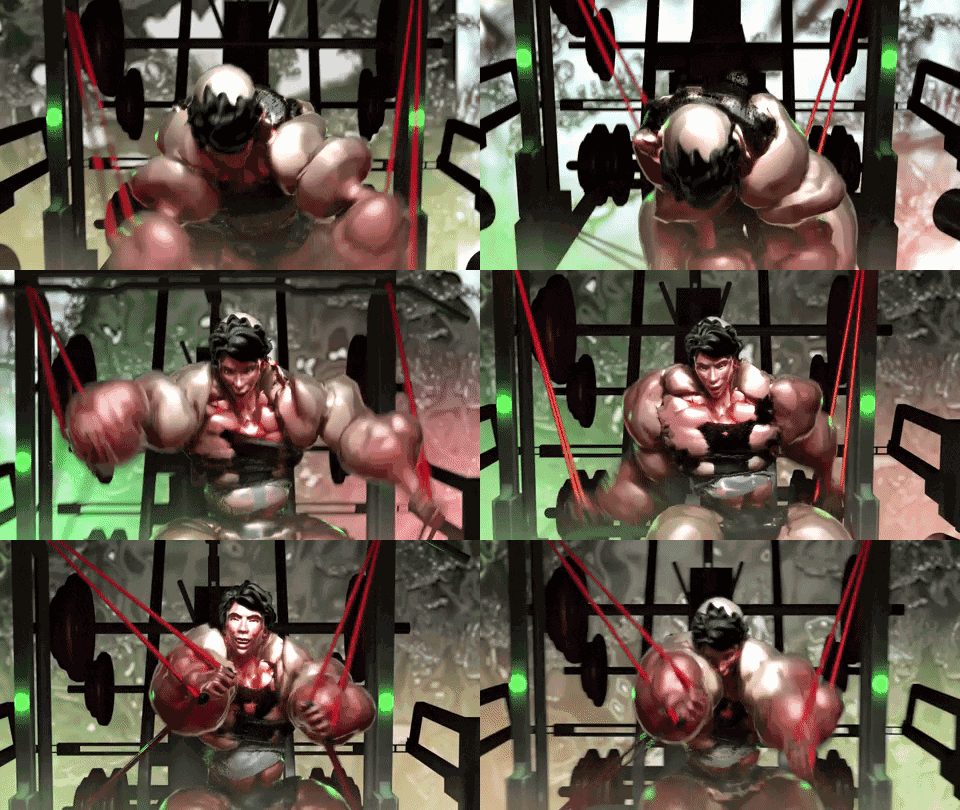
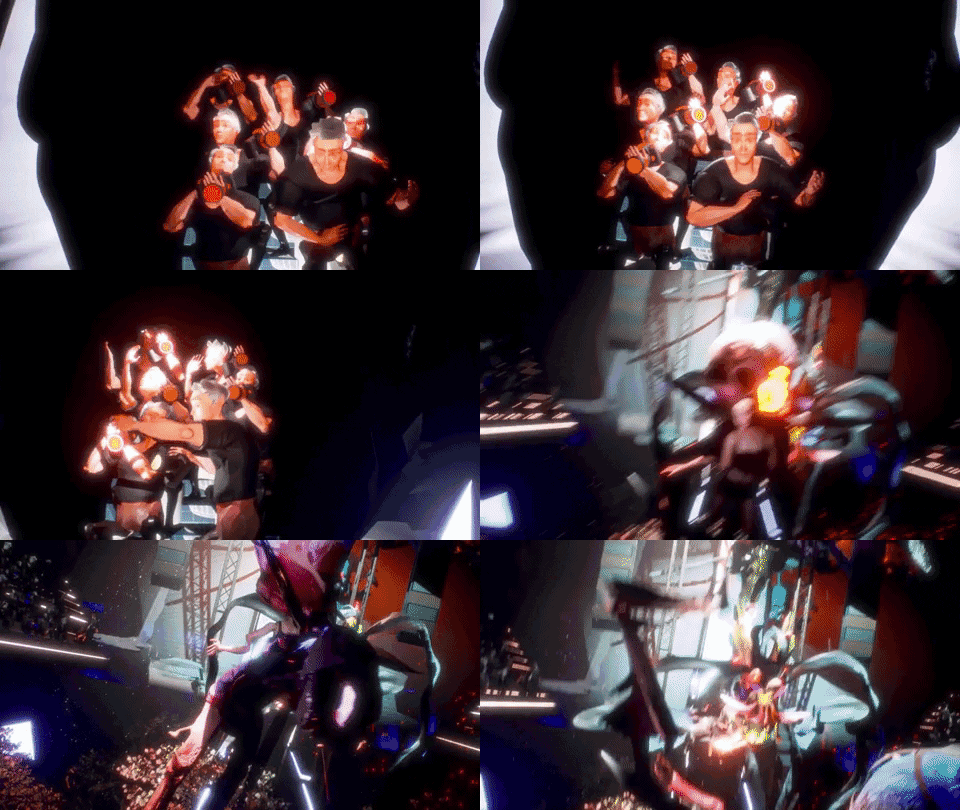
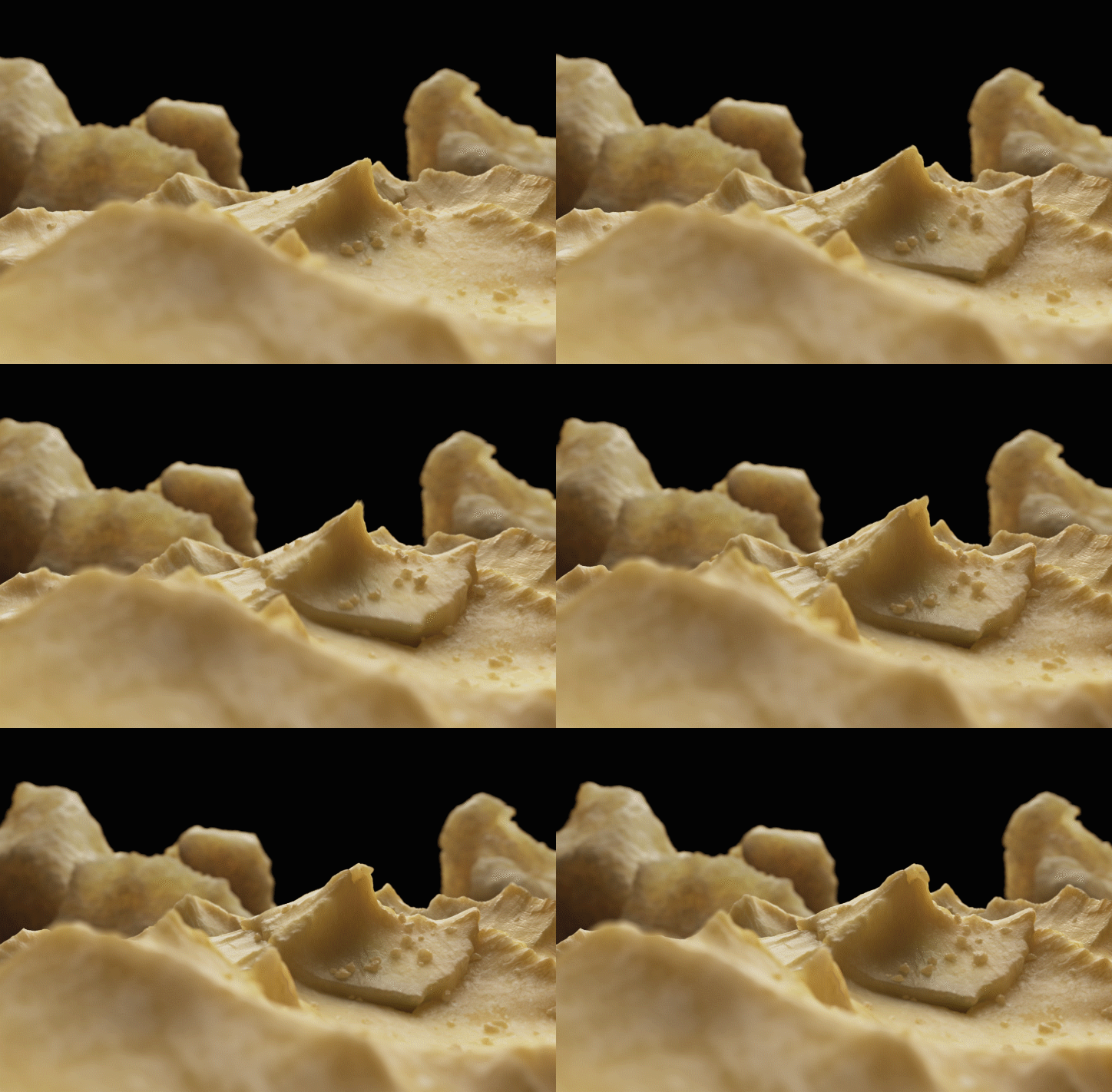
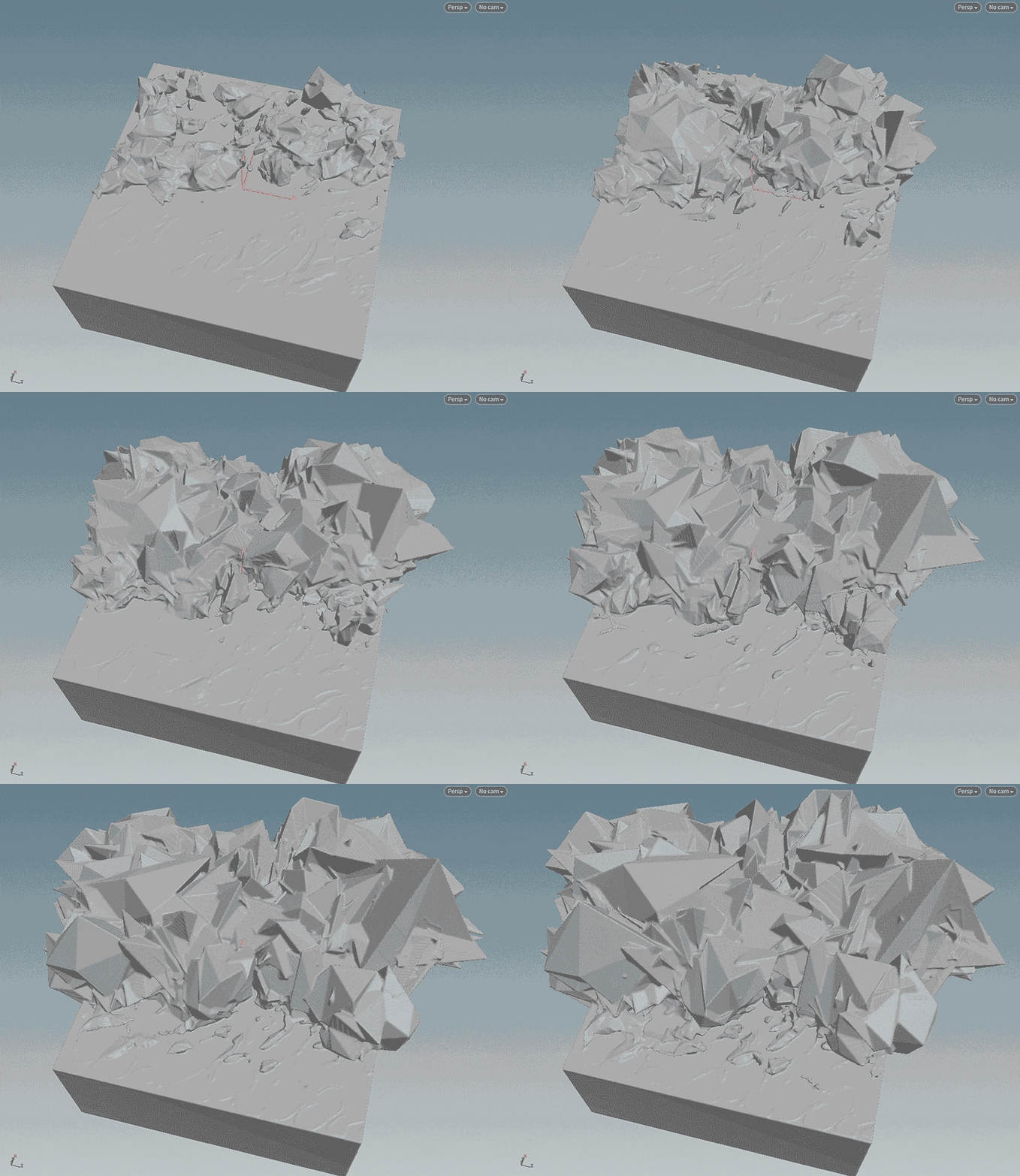
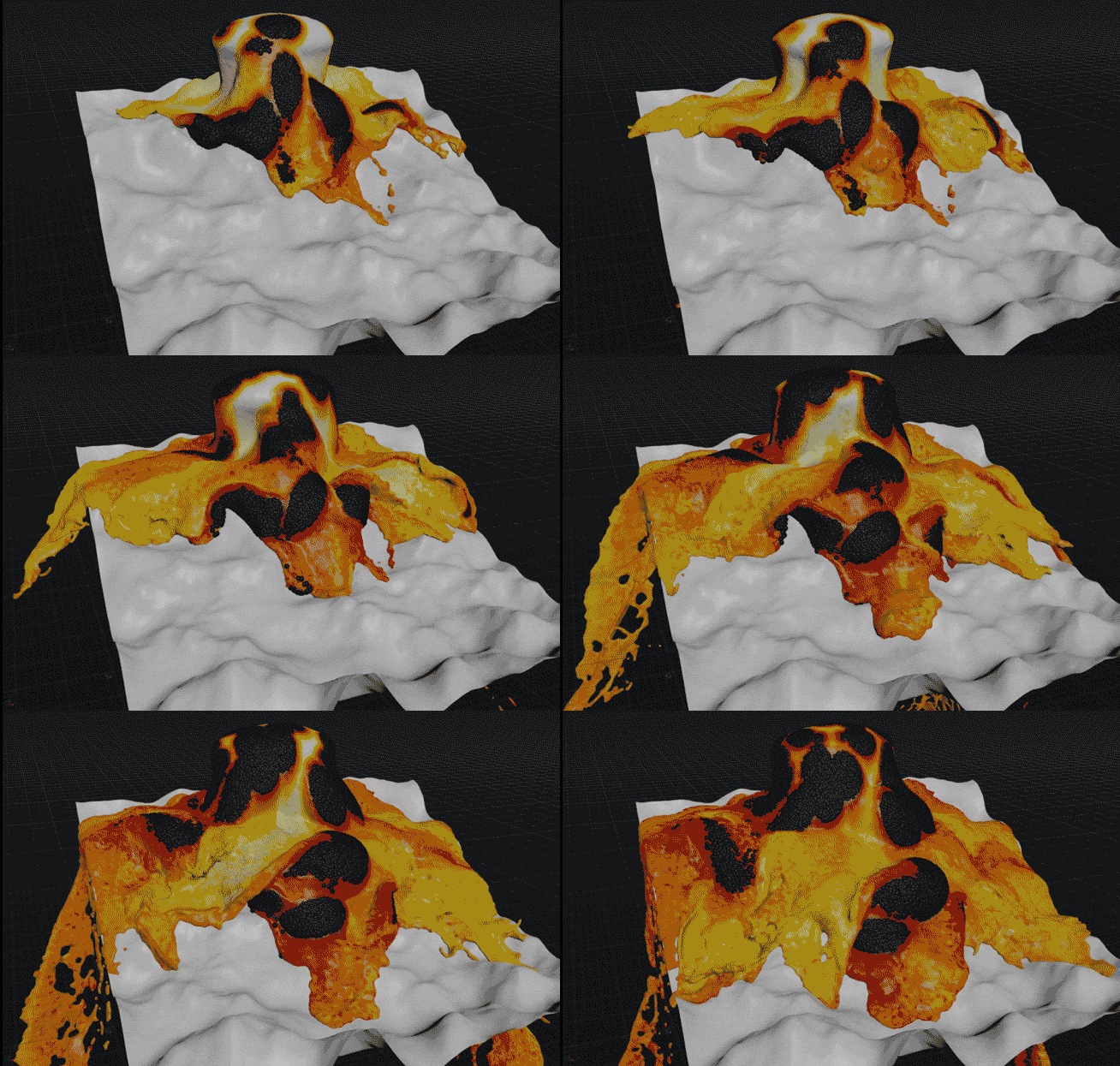
“On a practical level, having a tonne of cheese around the office was also a challenge, especially when it came to 3D scanning it. “We had to leave the cheese out of the fridge for just the right amount of time to get it to the desired consistency,” explains Adam. “The problem with this came when the cheese very quickly continued to change its form, and for the photogrammetry setup we were using, we required the cheese to be static.” The other issue with 3D scanning is that it required the cheese to be under hot lights for several days. “It made for a nice and fresh smelling studio,” jokes Adam. And the finished spots are unlike anything we’ve ever seen before, let’s just hope it hasn’t put the team off dairy for life.”
Material Speculations: ISIS by Morehshin Allahyari
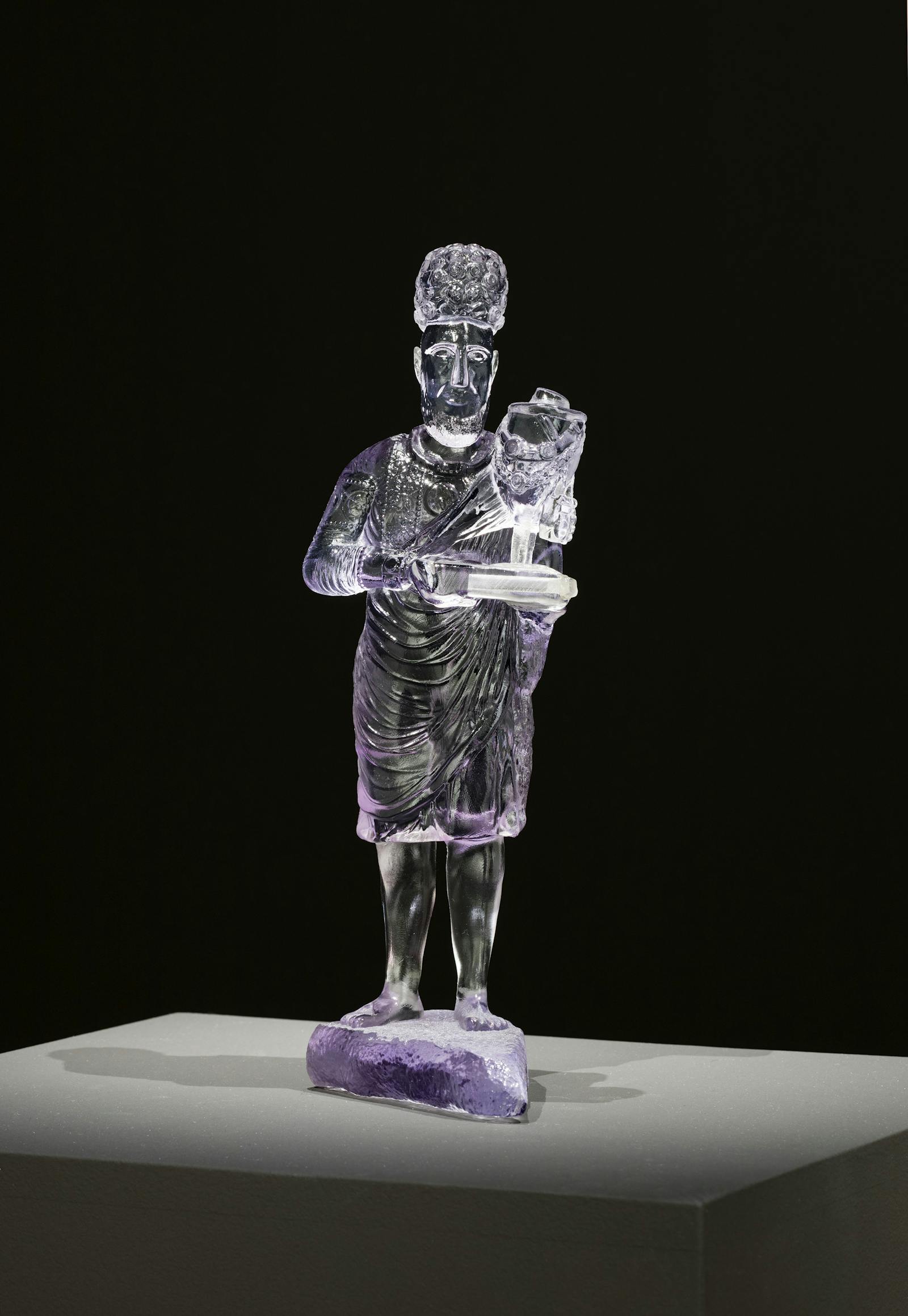
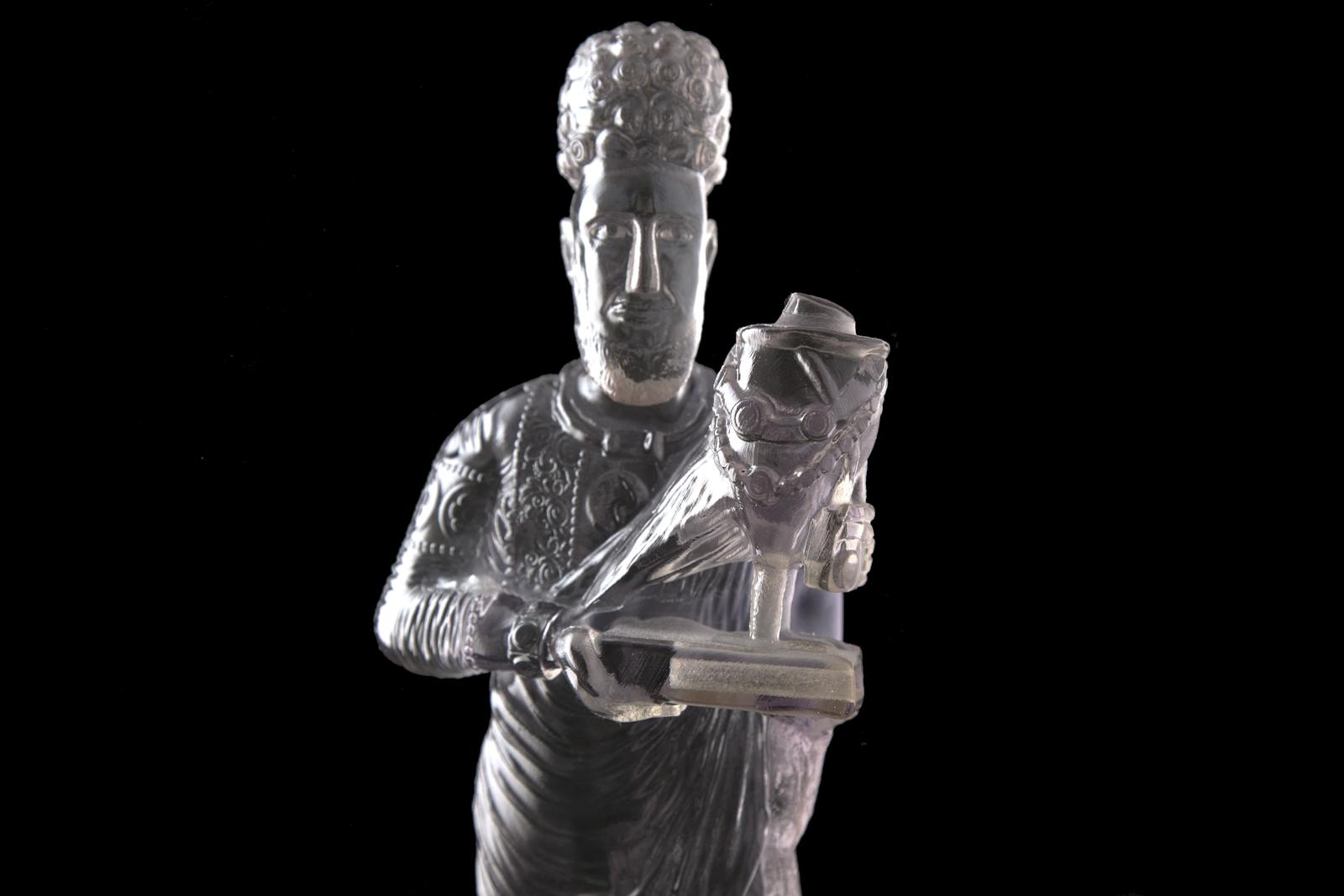
Morehshin Allahyari uses 3D printing technology as a tool for alternative artifact archiving, as well as a means of political resistance and documentation. In her series Material Speculations: ISIS she reconstructs selected artifacts of historical value that were destroyed by ISIS in 2015. After collecting and researching vast numbers of images and documents of the destroyed objects, she is able to recreate and print a 3D model of the artifact. Photographs, documents, maps and videos are all instrumental in the process of re-building, allowing the artist to create an image that cannot cease to exist, but is infinitely reproducible. All documentation gathered by the artist about the destroyed artifact is saved onto a flash drive embedded in the 3D-printed work.
KAZU “Come Behind Me, So Good!” – Music video by Daito Manabe + Kenichiro Shimizu
Scanathon at the Metropolitan Museum of Art
In 2012, the Metropolitan Museum of Art in NYC and Makerbot collaborated on a “Scanathon”, in which the public roamed the museum with 123DCatch iPhone software, and uploaded hundreds of 3D CAD models to Thingiverse. Considered progressive for its time, more and more museums are publishing their collections in 3d. (http://sites.museum.upenn.edu/monrepos/evidence/evidence.html).

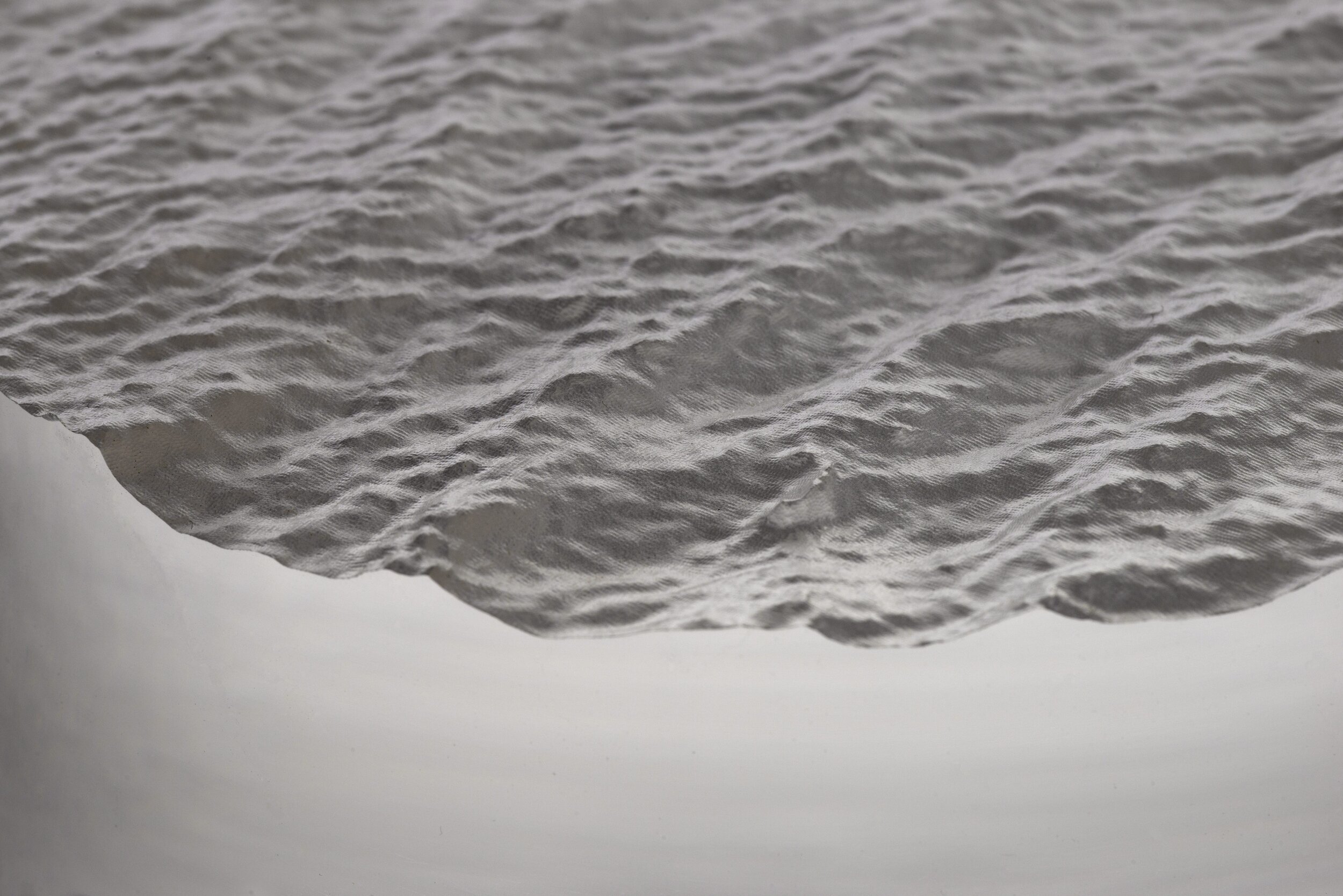
David Bowen produces a work like 46°41’58.365″ lat. -91°59’49.0128″ long. @ 30m, a collection of CNC-routed clear acrylic sculptures generated from the 3D-scanned surface of the ocean:

Bowen used the echo sounder and some custom software to scan a 2,567-mile-long, 10-mile-wide sliver of the ocean floor, with depths up to 5000 meters. Bowen’s installation the journey was created after processing the raw sonar data. It was then fed into a CNC-router that carved the journey into 3 panels of crystal-clear acrylic. An LED light charts the general northeast to southwest bearing of the ship’s journey from Portland to Honolulu. As you watch the LED move from start to finish the project encapsulates the ocean’s massive shifts of scale; the amount of detail the echosounder can capture is remarkable yet the size of the files are massive. But when this project is held up to the scale of the rest of the Pacific Ocean, it revives the irresistible shifts of scale one experiences on the ocean.
phone based scanning
Photogrammetry
Regard3D
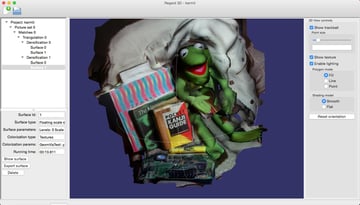
Regard3D is a free and open-source photogrammetry software that uses the structure from motion (SfM) method to convert photos of an object from various angles into a 3D model.
instructions: https://www.regard3d.org/index.php/documentation/tutorial
Where to download: Regard3D
MicMac
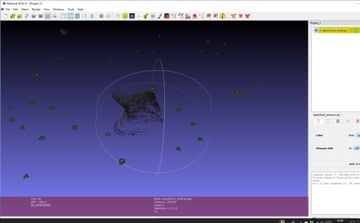
MicMac is a free, open-source photogrammetry software that has been developed by the French National Geographic Institute and the French National School of Geographic Sciences. Its sophisticated feature-set is mainly suited to professional or academic users, but it is also accessible to general users. A product of constant teaching experience and research, MicMac has proven itself a versatile tool that has been successfully used in cartography, environmental protection, forestry, cultural heritage preservation, and private industries.
Where to download: MicMac
MISC
Monster Mash: A Single-View Approach to Casual 3D Modeling and Animation
click here to use: https://monstermash.zone/
Illustrator 3D
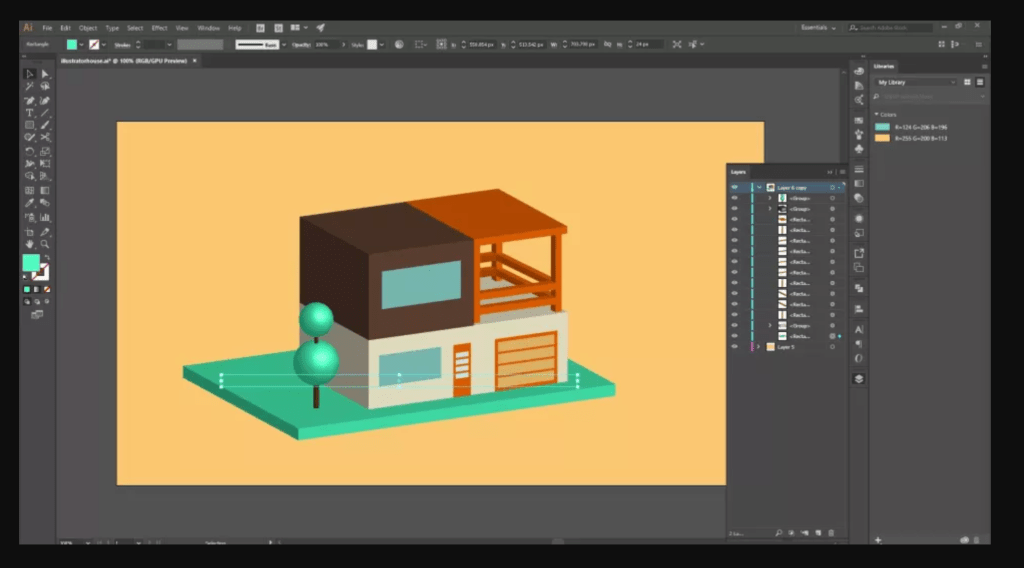
https://helpx.adobe.com/illustrator/using/creating-3d-objects.html
HOSTING
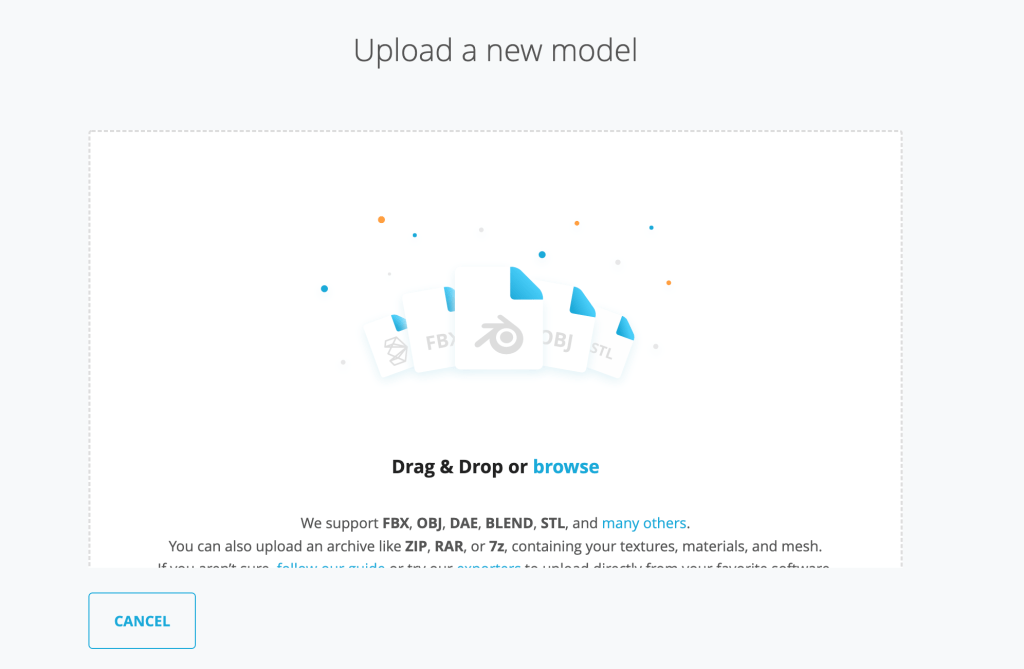
 NEW LENSES: Experimental Capture and Release
Leave a comment